Pros and Cons of Building Granny Flats in Australia: What You Need to Know
Is a granny flat a goldmine or a money pit? As Australian property prices climb in 2026, homeowners are looking at their backyards as untapped assets. But before you break ground, you need to look beyond the extra rental income. While these self-contained units offer a smart way to house family or earn cash, the reality of council fees and space trade-offs can be a wake-up call. We’ve analysed the Pros and Cons of building granny flats to help you decide if this investment is your next big win—or a costly mistake.
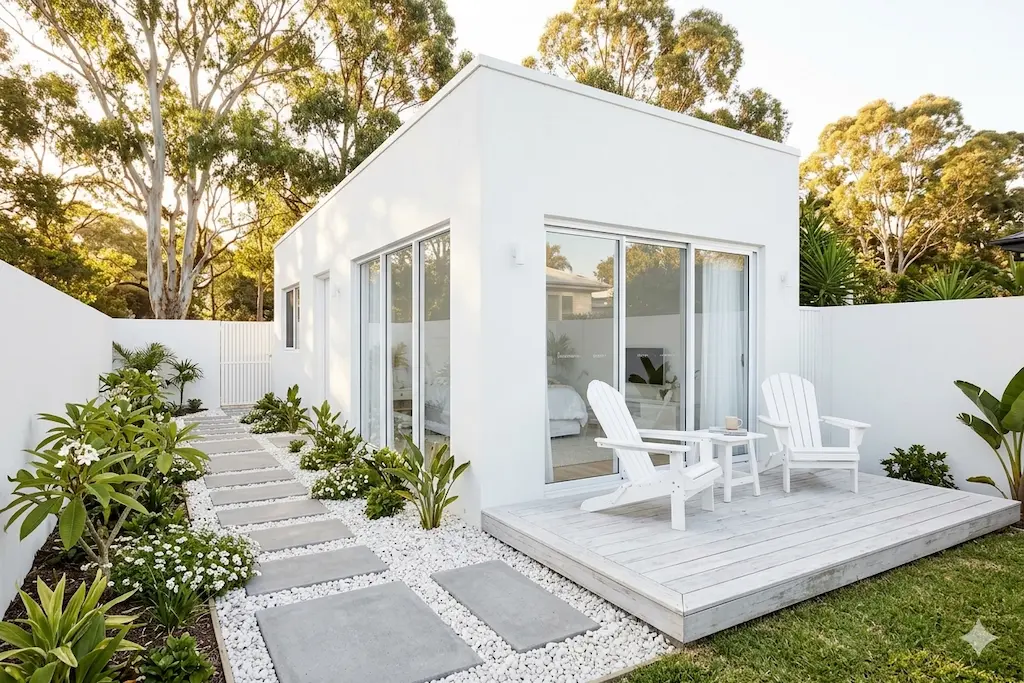
The Pros of Granny Flats
Granny flats offer so many great benefits, and it’s easy to see why they’re so popular. Here’s a closer look at why they work so well for so many homeowners:
1. Affordable Housing
Building a granny flat is a cost-effective alternative to buying a larger property. It’s an affordable way to add extra space without the high costs of purchasing a new home. Granny flats are built on existing land with simpler designs. So, they cost less to build.
A granny flat is a smart, affordable way to add space without the hefty price tag of buying a second home.
A granny flat boosts your property’s value. Also, it adds guest rooms, extra bedrooms, or a rental unit. And it does this without the disruptions of major renovations. As housing prices continue to rise, granny flats offer a budget-friendly option to expand your living space. Whether you need space for elderly family members, guests, or as rental income, granny flats provide versatility. They’re a smart choice for those who want more space without the financial strain of buying a second home.

2. Super Versatile
Granny flats are incredibly flexible. You can use them to give elderly parents their own space while keeping them close by. They’re also great for hosting guests or giving adult kids a place to stay as they transition to living on their own. Plus, renting them out can bring in a steady extra income, which is always a bonus!
A granny flat offers endless possibilities, making it a great solution for families with diverse needs.

3. Boosts Your Property Value
Adding a granny flat can boost your property’s value. Buyers are often drawn to homes with extra living space, and a granny flat provides just that. In tight or expensive housing markets, an extra unit can make your property stand out.
A granny flat doesn’t just add space; it adds value, making your home more attractive to buyers.
Whether it’s a place for guests, a rental unit, or extra space for family, the versatility of a granny flat appeals to many. If you decide to sell down later, a granny flat can help. It may sell your home faster and for a higher price.

4. Smaller and Greener
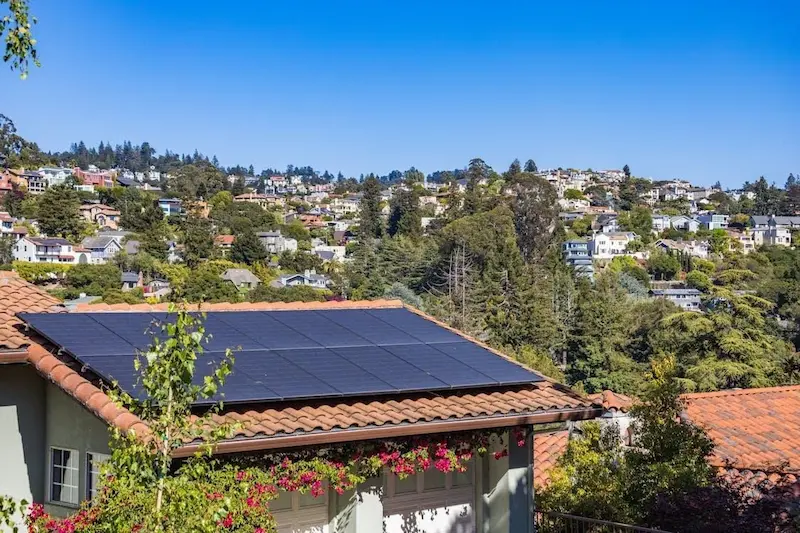
Granny flats are smaller, which means they use less energy for heating and cooling. This keeps your utility bills low and helps the environment. Many modern designs include eco-friendly features. They might have solar panels or energy-efficient materials. So, they are a smart, sustainable choice.
Granny flats aren’t just smart for your wallet; they’re smart for the planet too.
5. Possible Government Perks
In some states, building a granny flat is easier thanks to government support. For example, New South Wales offers fast-track approvals for secondary dwellings. Some areas even reduce fees or provide incentives, making it simpler and more affordable to build.
Granny flats combine affordability, flexibility, and sustainability, making them an excellent choice for families and investors alike.
The Cons of Granny Flats
While granny flats come with plenty of benefits, they also present some challenges. Here are three major drawbacks to consider before making a decision:

1. Complex Approval Process
Getting approval to build a granny flat can be both time-consuming and confusing. Since zoning, permits, and building codes vary by state and council, it’s essential to research thoroughly. For instance, some areas enforce strict regulations on who can live in a granny flat or how it can be used. Also, missing a step in the approval process can cause delays or unexpected costs. This can make the experience more stressful than expected.
2. High Upfront Costs
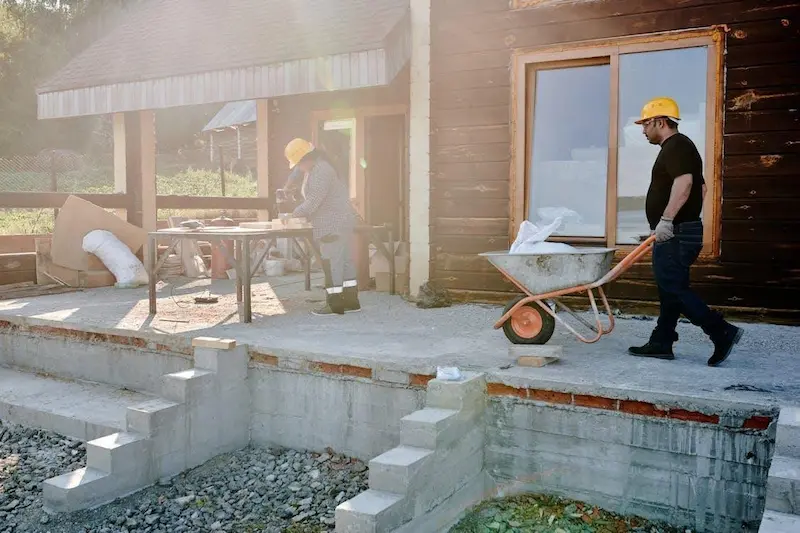
Granny flats are generally more affordable than buying a second home. But their upfront costs can be overwhelming. You must cover expenses for design, permits, construction, and utility connections. They add up quickly. Also, unexpected costs, like site preparation or upgrading your infrastructure, can push your budget higher. As a result, careful financial planning becomes crucial to avoid surprises.
3. Space Limitations on Your Property
Not every property is suitable for a granny flat, which can be frustrating for homeowners. If your land is small or oddly shaped, finding enough space may be a challenge. Also, adding a granny flat may require sacrificing outdoor areas, like your garden, yard, or parking spaces. This loss of outdoor space can feel restrictive. It’s tough for those who like to relax or entertain outside.
By keeping these challenges in mind, you can better understand what to expect. Also, you can plan more effectively if you decide to build a granny flat.
Pros and cons of building granny flats: State-by-State Comparison
To make it easier, we’ve summarised the key points in the table below, giving you a snapshot of what to expect in each state:
State | Pros | Cons |
|---|---|---|
New South Wales | High rental demand in cities like Sydney | High construction costs |
Victoria | Easy approval for the elderly family Units Cost-effective for multigenerational living | Restrictions on renting to non-family members |
Queensland | Can rent to anyone for income Affordable land options | Zoning laws vary widely |
Western Australia | Large size allowances for granny Flats- High rental demand | Slower approval process |
South Australia | Flexible policies for elderly family members Reduced approval fees in some areas | Limits on renting to non-family members |
Tasmania, NT, ACT | Less competition for approvals Growing demand for secondary dwellings | Limited state-wide incentives |
Ready to Build Your Granny Flat? Don’t Do It Alone!
Weighing the Pros and cons of building granny flats is the first step, but staying legal is what protects your investment in 2026. Don’t risk heavy fines by overlooking local rules.
- Planning to Lease? Read our guide: [Can I Rent Out My Granny Flat? Avoid Illegal 2026 Errors] to ensure your rental strategy is 100% compliant.
- Check Your Area: Visit our [Granny Flat Regulations] page for a detailed breakdown of building codes and size limits in your specific state.
Make your 2026 build a success—plan smart and build legally!