
Granny Flat New Rules 2026: Complete Guide to Building and Renting
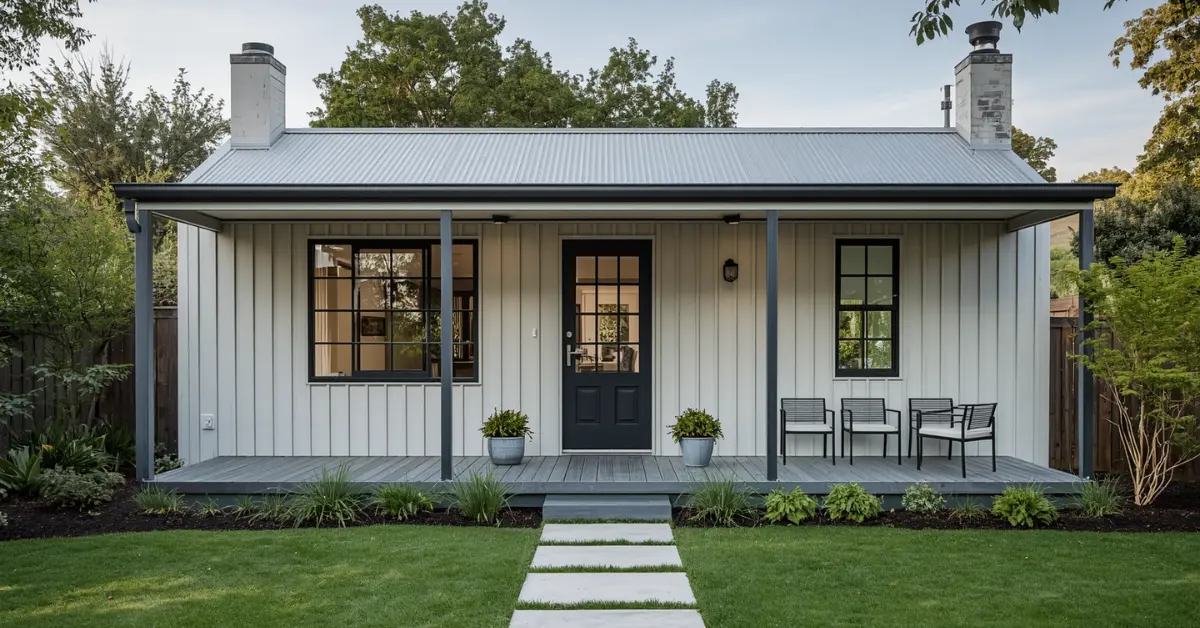
The Australian housing market is shifting fast in 2026. With rental prices at an all-time high, the government has launched Granny Flat New Rules to help homeowners turn their backyards into valuable assets. These updates make it easier than ever to build extra space, increase your property value, and unlock a steady stream of rental income. Learn how the latest laws in VIC, NSW, and WA allow faster builds and legal renting. Stop council errors today!
However, many people are still confused about the fine print. Can you really skip the planning permit? Are you legally allowed to rent to strangers? One small mistake with the new 2026 standards could lead to heavy fines or legal delays. This guide breaks down the latest changes in simple terms so you can build with confidence and avoid costly errors.
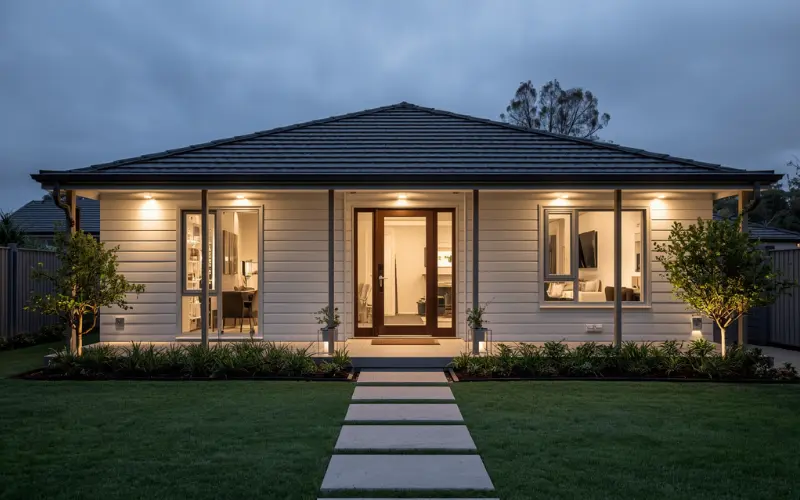
State-by-State Breakdown: What You Need to Know
Victoria (VIC): The End of Planning Permits?
Victoria has introduced some of the most radical changes under the Granny Flat New Rules 2026.
- The Reform: For small second homes (under 60sqm), you no longer need a planning permit on most residential lots.
- The Benefit: This saves homeowners thousands of dollars in application fees and months of waiting for council approval.
- The Requirement: You still need a building permit. This ensures the structure is safe, waterproof, and fire-resistant.
Planning a build in Melbourne or regional VIC? Check our detailed guide on [Victoria Granny Flat Regulations] to see if you qualify for the no-permit pathway.
Western Australia (WA): Flexibility is King
WA has always been a leader in this space, but 2026 brings more clarity.
- Rental Laws: You can now legally rent your granny flat to anyone. Previously, some zones restricted these to “family members only,” but those days are gone.
- Size and Space: The maximum size remains around 70sqm, but new zoning laws (R-Codes) make it easier to build on smaller blocks of land.
Pro Tip: WA has unique rules regarding 70sqm limits and setbacks. For a full breakdown, visit our comprehensive page on [Granny Flat Requirements WA].
New South Wales (NSW): The CDC Fast-Track
NSW continues to push the Complying Development Certificate (CDC) pathway.
- Approval Speed: If your backyard home meets the pre-set standards, you can bypass the local council entirely.
- New for 2026: The government has expanded the types of lots that qualify for CDC, meaning more people in Sydney and regional NSW can start building in weeks, not months.
Get the Details: To understand the specific CDC requirements and lot sizes for Sydney and NSW, read our in-depth [NSW Granny Flat Requirements] guide.
Queensland (QLD): Permanent Rental Solutions
Queensland has made its “emergency” housing measures permanent.
- Renting to Strangers: Every homeowner in QLD can now rent their granny flat to a non-family member.
- Council Variations: While the state allows it, always check with your local council (like Brisbane or Gold Coast) for specific setbacks and height limits.
Stay Informed: Queensland’s local council rules can vary significantly. Make sure to review the [Queensland Granny Flat Regulations] before signing any construction contracts.
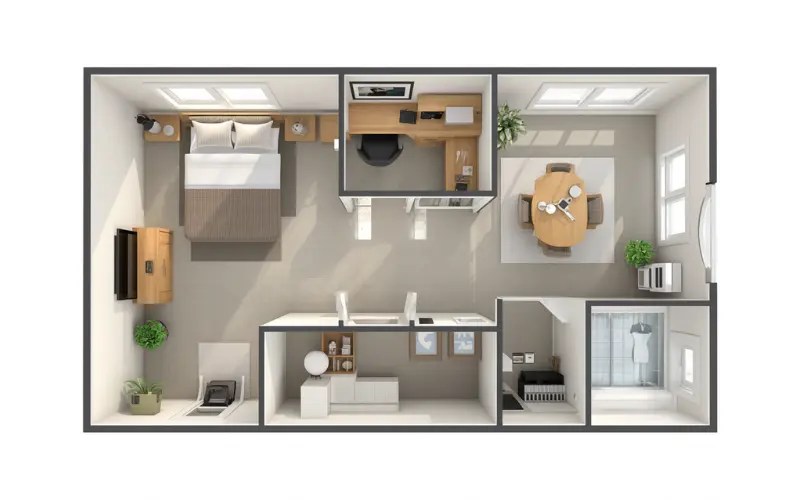
The 2026 National Construction Code (NCC) Updates
While the “New Rules” make it easier to start building, the quality of the build must be higher than ever. In 2026, the NCC introduced strict standards that you cannot ignore.
The 7-Star Energy Efficiency Rating
Every new granny flat must now achieve a 7-star energy rating. This is part of Australia’s commitment to a greener future. To hit this target, your build will need:
- Better Insulation: Thick wall and ceiling batts are now mandatory.
- Smart Glazing: Double-glazed windows are becoming the standard, especially in colder states like VIC and NSW.
- Solar Access: Your builder must position the windows to capture natural sunlight during winter.
Bushfire Attack Level (BAL) Compliance
As climate patterns change, more areas are being classified as bushfire-prone. Under the 2026 rules, your site must undergo a BAL assessment. If your site is high-risk, you must use non-combustible materials like steel frames and fire-rated cladding. This prevents errors that could make your home uninsurable.
Avoiding Hidden Costs and Legal Fines
Even with the “Granny Flat New Rules,” there are traps that can cost you thousands. Here is how to stay safe:
- Check Your Title for Easements: An easement is a legal right for someone else (like a water or power company) to use part of your land. If you build over a sewer line without permission, the council can force you to tear it down.
- Utility Connections: Many people forget that a new home needs power, water, and internet. Under 2026 rules, you may need a separate electrical sub-board or a bigger water meter.
- Private Open Space (POS): Most councils require you to leave a certain percentage of the backyard as “green space.” If your granny flat is too big, you might violate these density rules.
- Builder Qualifications: Never hire an unlicensed builder. With the 2026 reforms, councils are doing more “spot checks” to ensure safety compliance.
How to Budget Under the New Rules
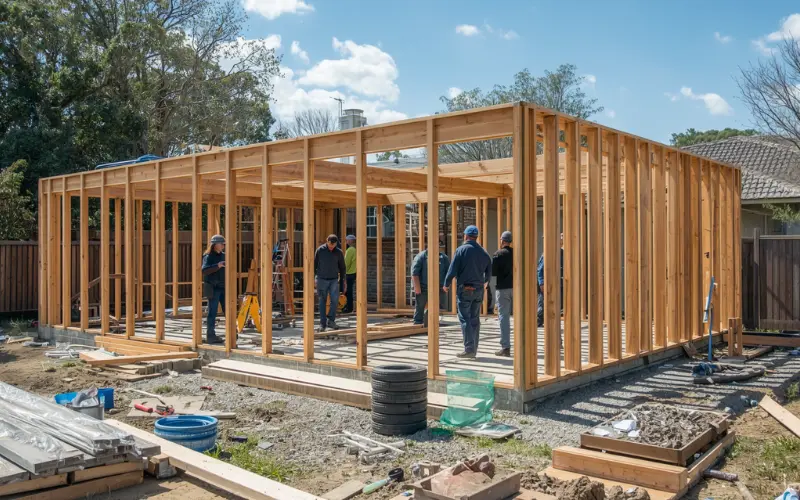
Building a granny flat is an investment. While the rules are easier, material and labour costs have shifted.
- Permit Costs: Expect to pay between $1,500 and $3,500 for a building permit and inspections.
- Site Works: Sloping blocks or rocky soil can add $10,000 to your budget.
- Turnkey vs. DIY: Most homeowners in 2026 are choosing “Turnkey” solutions to avoid the stress of managing multiple trades.
For a full breakdown of what you will spend this year, read our latest [2026 Granny Flat Price Guide].
Frequently Asked Questions (FAQ)
Conclusion: Ready to Start?
The Granny Flat New Rules 2026 provide a golden opportunity for Australian homeowners. Whether you want to house an elderly parent, give your teenagers space, or earn rental income, the path is now clearer than it has been in decades.
Summary Checklist:
- Check your local council’s zoning.
- Ensure your design hits the 7-star energy rating.
- Verify your site’s BAL rating.
- Hire a licensed builder who understands the 2026 reforms.
