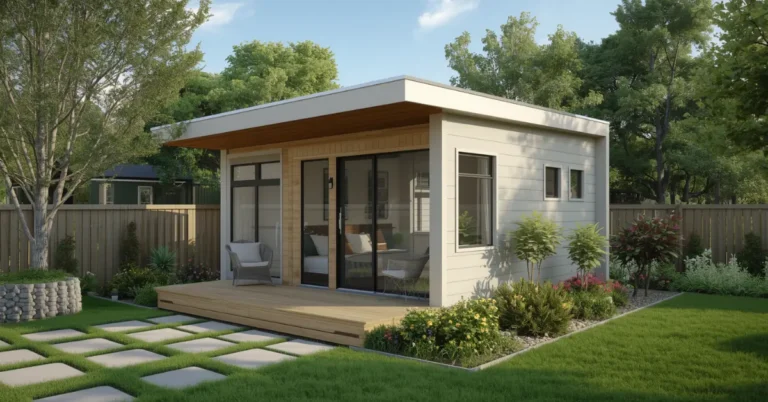
The Hidden Costs of Building a Granny Flat Australia: 2026 Budget Guide
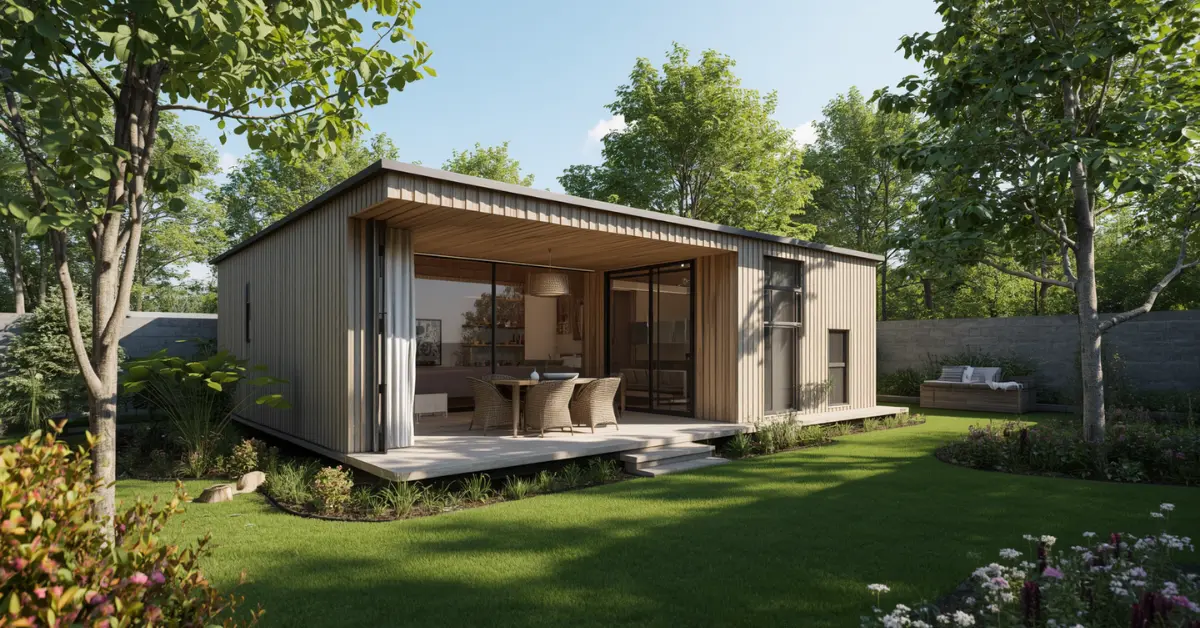
Are you planning to build a small home in your backyard? It is a great financial move. However, many owners see a low builder price—like $120,000—and think that is the final cost. In reality, the final bill often crosses $180,000.
Why does this happen? Base prices usually only cover the walls and the roof. The real expenses hide underground, sit in council paperwork, or stay out of the contract. Discover the top hidden costs of building a granny flat in Australia so you can avoid a big shock! Before you plan your money using our [Granny Flat Price Guide 2026], you must know these extra fees.
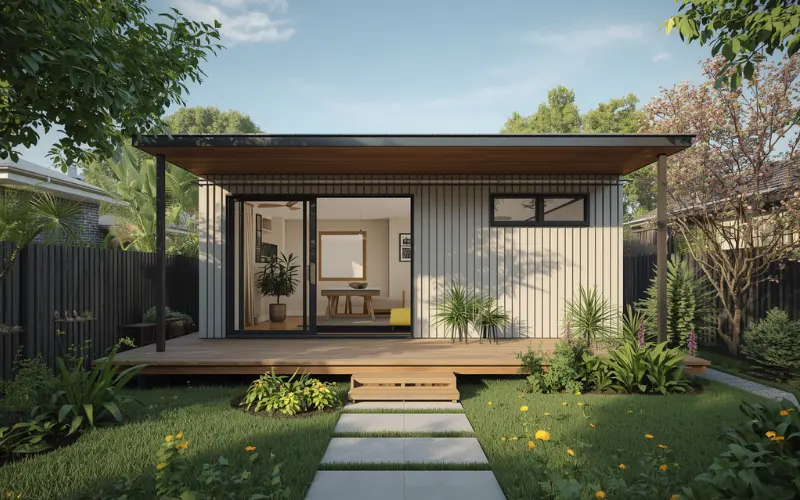
At a Glance: Typical Hidden Costs in Australia
If you want a quick summary, here is a list of the extra fees that builders do not include in their starting price.
Hidden Cost Category | Expected Budget Range (AUD) | Why You Pay This |
|---|---|---|
1. Site Prep & Dirt Work | $4,000 – $12,000+ | To level sloped land, clear trees, and fix bad soil. |
2. Plumbing & Power Lines | $5,000 – $15,000 | To run long water, sewer, and power wires to the yard. |
3. Council Fees & Permits | $3,000 – $10,000+ | For government stamps and local area infrastructure. |
4. Mandatory Insurances | $1,000 – $3,000 | For HBCF insurance and certifier safety checks. |
5. Driveways & Car Parking | $3,500 – $8,000 | For council kerb cuts and mandatory parking spots. |
6. Outside Yard Work | $6,000 – $20,000 | For privacy fences, paths, and retaining walls. |
7. Inside Room Upgrades | $5,000 – $15,000 | To get nice floors, stone benches, and extra plugs. |
1. Site Preparation and Soil Earthworks
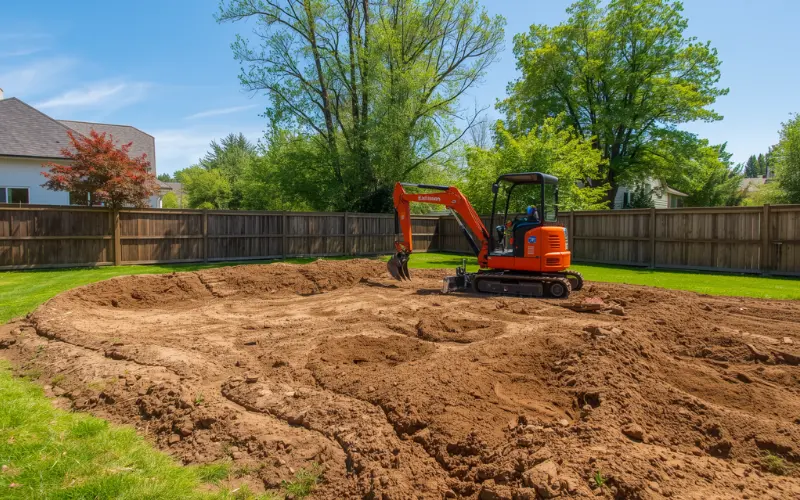
A flat backyard makes building much cheaper. Most yards look flat but actually have small slopes or hidden problems under the grass.
Builders never include heavy ground-clearing in their base price. If your land sits on a slope, you must pay diggers to level the dirt. Furthermore, a tester must check your soil. If the soil contains too much clay or rock, you must build a much thicker concrete base.
Common site prep expenses include:
- Soil Testing & Reports: $500 – $1,500
- Tree and Deep Root Removal: $1,000 – $4,000 per large tree
- Digging and Levelling the Ground: $3,000 – $8,000
2. Utility Connections (Water, Power, and Internet)
Your new backyard home needs a direct link to the main city lines. Connecting these pipes is one of the highest hidden costs of building a granny flat, especially if the unit sits far back from the front street.
If you place your granny flat 20 to 30 meters deep into your yard, workers must dig long trenches. They need these trenches to lay down heavy pipes and power wires.
Snippet Trigger (Fast Fact): In 2026, Australian water groups are charging high connection fees. These rules require backyard builders to pay thousands simply for the right to tap into the local water pipes.
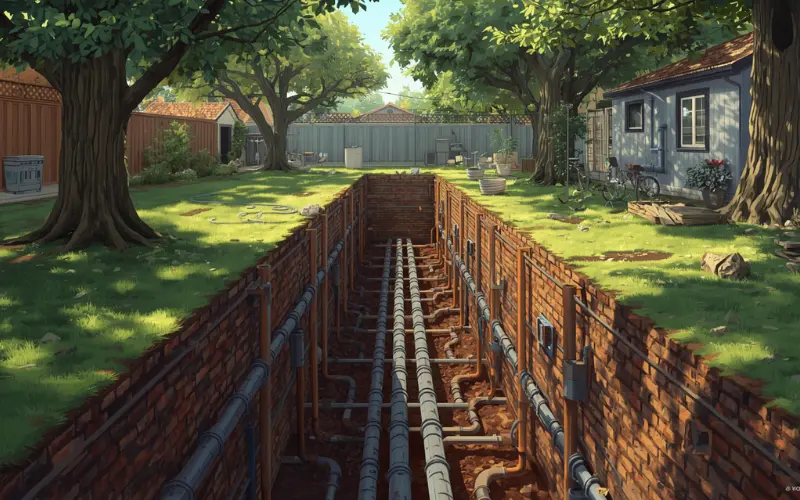
Extra connection items you must fund:
- Upgrading the Main Power Board: $2,000 – $4,000 (You need this if your old home cannot take the extra power load).
- Separate Water and Power Meters: $1,500 – $3,000 (Essential for tracking a tenant’s usage).
3. Council Approval Fees and Town Permits
You cannot just build a house in your backyard without government approval. Whether you hire your local council or a private checker, paperwork costs money.
The biggest surprise for owners remains the “Local Infrastructure Fee.” Councils charge this money because a new house puts more pressure on local roads, parks, and water drains.
Mandatory paperwork and tax expenses:
4. Mandatory Building Insurances and Legal Safe Funds
Building a new home involves high financial risks. In Australia, you cannot start building without paying for specific safety insurance.
The biggest extra fee is the Home Building Compensation Fund (HBCF) insurance. Your builder must buy this for your project, but they pass the bill directly to you. This insurance protects your money if the builder goes out of business or leaves the job half-done. On top of that, you must pay for private certifier checks and structural engineer stamps before anyone pours any concrete.
- HBCF Insurance Fee: $1,000 – $3,000 (Changes based on the total cost of your build)
- Private Certifier Inspection Fees: $1,500 – $3,000
- Engineering Plan Stamps: $800 – $2,000

5. Driveways, Parking Space, and Street Access
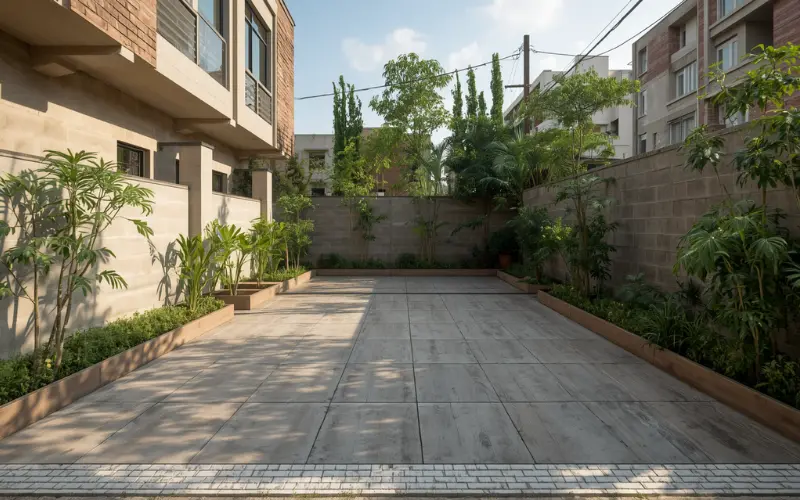
Many owners do not know that local councils have strict rules about backyard access and cars. If you build a secondary home, some councils require you to provide a dedicated off-street parking spot for the new occupant.
If your backyard does not have clear access from the main street, workers will struggle to bring in heavy steel and timber. This means you will have to pay extra labour fees for manual transport. Also, cutting into the public street kerb to make a new driveway requires council permission and a heavy street-work fee.
- Council Kerb Cutting Permits: $500 – $1,500
- New Concrete Parking Slab / Driveway: $3,500 – $8,000
- Manual Heavy Material Transport Fees: $1,000 – $3,000
6. Retaining Walls, Fences, and Pathways
When you look at a builder’s book, you see a beautiful home with green lawns and clean paths. In the real world, the builder leaves your yard looking like a muddy mess.
As we highlighted in our guide on [maximising granny flat rental income], renters want complete privacy. You must organise and pay for the outside work yourself after the builder gives you the keys.
Exterior finishing costs to keep in mind:
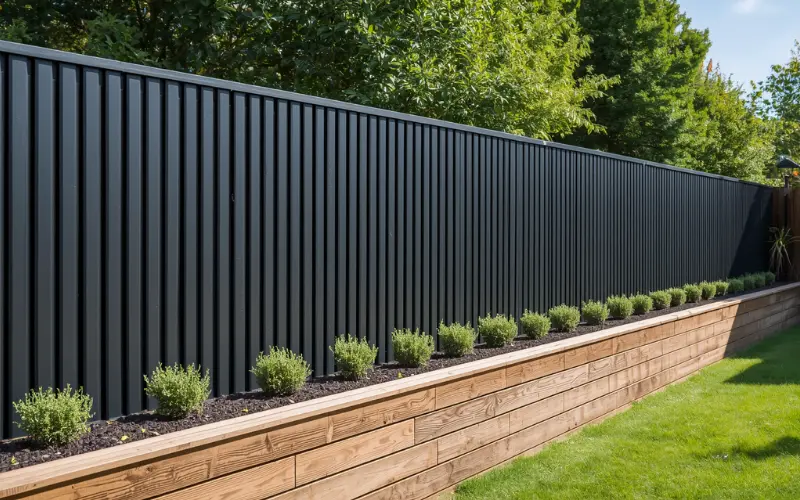
- Boundary and Privacy Fences: $2,000 – $6,000
- Concrete Access Paths and Driveways: $3,000 – $7,000
- Retaining Walls: $4,000 – $15,000 (You need these if shifting dirt changes how water flows to your neighbour).
7. The “Standard Inclusions” Contract Trap
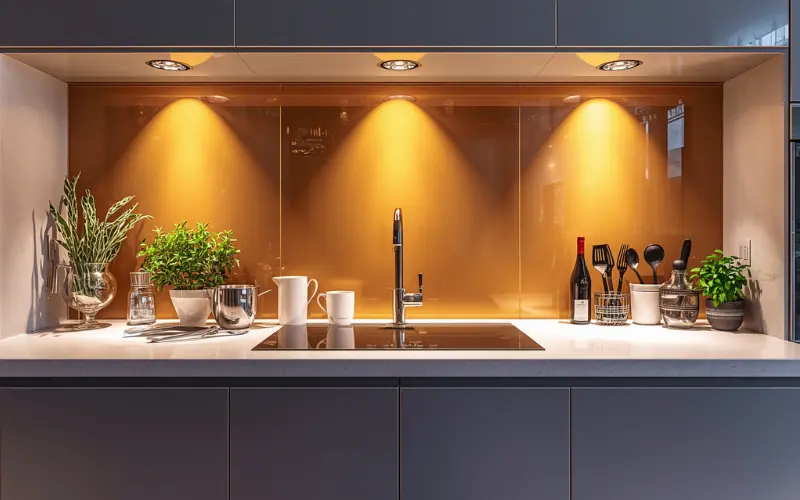
Many people fall into the display home trap. The beautiful stone kitchen tops and bright lights you see in ads represent expensive upgrades.
Standard builder packages usually offer basic laminate benches, cheap carpets, and only one power plug per room. If you want a nice, modern space, you must pay for extra changes.
Items builders often leave out of standard prices:
- Window Blinds: $1,500 – $3,500 for basic rollers or shutters.
- Flyscreens and Screen Doors: $500 – $1,200
- Extra Lights and Power Outlets: $100 to $150 for every single extra plug you add.
How to Protect Your Budget from Blowouts
Knowing the hidden costs of building a granny flat helps you become a smarter buyer. To protect your savings, follow these three golden rules:
- Ask for a Total Turnkey Contract: Tell your builder you want a fixed contract. Ensure it includes site work, pipe links, and inside finishes instead of a basic “base price.”
- Check the Exclusions List: Always read the contract part titled “Items to be provided by Owner.” This is where builders hide things like air units, clotheslines, and lawns.
- Keep a 15% Emergency Fund: If your building price says $150,000, do not spend all your money on the contract. Keep $22,500 in a separate bank account to handle unexpected ground issues easily.
Your 2026 Granny Flat Budget Checklist
Before you sign any building contract in Australia, print this list and check off these hidden items with your builder: