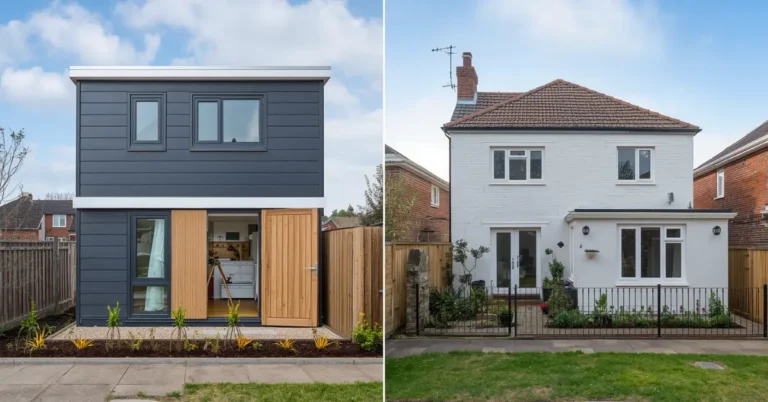
Kit Home vs. Custom-Built Granny Flat: The Ultimate 2026 Comparison Guide

Choosing between a kit home and a custom-built granny flat in Australia is the first big step for any homeowner. Many people pick kit homes because they see low prices, sometimes under $60,000. But does a lower price always mean a better deal?
In 2026, building costs and new energy rules like the NCC 2025 update changed the game. This comprehensive guide explains the real costs, legal hurdles, and long-term value so you can make the right choice for your property.

1. Understanding the Core Difference
Before you spend a cent, you must understand exactly what you are buying.
What is a Kit Home?
A kit home is like a “flat-pack” house delivered to your doorstep. You buy the frame, walls, and roof as a package from a manufacturer.
The Catch: The price you see in the brochure only covers the materials. You must act as the project manager. This means you are responsible for hiring builders, plumbers, and electricians. If you don’t have an “Owner-Builder” permit, you might struggle to finish the project legally.
What is a Custom Built (Turnkey) Granny Flat?
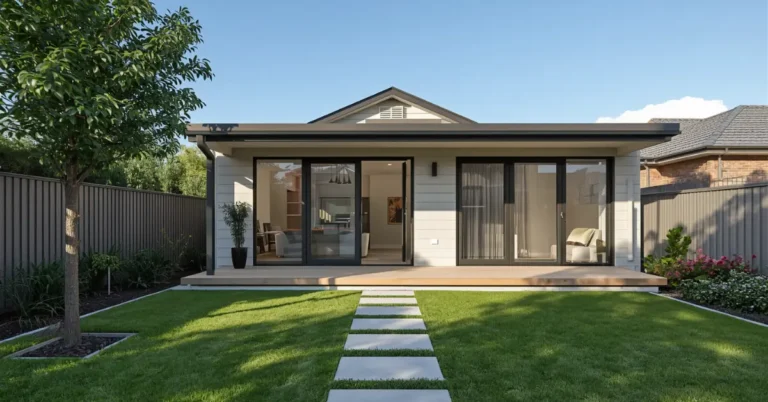
A turnkey build is a full-service experience. A specialist company designs the flat, gets council approval, and builds it from start to finish. You simply “turn the key” and move in.

2. Kit Home vs. Custom Build: Comparison Table
This table helps you weigh the kit home vs custom-built granny flat Australia debate based on 2026 industry standards:
Feature | Kit Home (Owner-Builder Path) | Custom Built (Turnkey Solution) |
|---|---|---|
Advertised Price | Very Low ($50k – $90k) | Higher ($150k – $220k+) |
Final Cost | Often double the kit price | Fixed and certain |
Council Approval | You handle the paperwork | Builder handles everything |
Construction Time | 6 – 12 months (Variable) | 12 – 16 weeks (Scheduled) |
Inclusions | Just the “shell” | Ready to move in |
Warranty | Material warranty only | Full 6.5-year structural warranty |
3. The “Hidden” Costs of Kit Homes
Many Australians think kit homes save money, but they often ignore these “budget killers.” To get a kit home up to building standards, you must factor in these extra expenses:
Site Preparation and Slab
You cannot just place a kit home on the grass. You must pour a concrete slab or install a pier-and-beam system. In 2026, these costs between $15,000 and $25,000, depending on your block’s soil and slope.
Utility Connections
Bringing water, sewage, and power from your main house to the new flat is complex. Expect to pay between $8,000 and $15,000 for trenching and professional plumbing/electrical connections.

Don’t forget that site-specific issues can blow your budget. Learn more about the [Factors Affecting the Cost of Building a Granny Flat], like soil types and slope.
Professional Labour
Unless you are a licensed tradesperson, you cannot do the electrical or plumbing work yourself by law. Hiring individual tradespeople for a one-off job is always more expensive than a builder’s bulk rates.
Council Fees and Permits
A kit home needs a Development Application (DA) or a Complying Development Certificate (CDC) just like a normal house. You must pay for council fees, private certifiers, and insurance, which add $5,000 to $10,000.
While kit homes seem cheap, you should compare the total costs in our [2026 Granny Flat Price Guide: State-by-State Breakdown] to see the full picture.
4. Legal Requirements: Being an Owner-Builder
If you choose the kit home route, you will likely need an Owner-Builder Permit.
5. Why Investors Choose Custom Builds
If your goal is to earn rental income, a custom build is almost always the smarter financial move.

Faster ROI
A professional builder finishes the job in weeks. A DIY kit can drag on for a year. That is 9 months of lost rent, potentially $18,000 to $22,000 in missed income!

Quality Finish
Professional builds offer superior fixtures, modern layouts, and better insulation. This attracts high-quality tenants willing to pay a premium weekly rent.

Bank Financing
Banks are much more likely to lend money for a fixed-price contract with a registered builder.
Getting a loan for a DIY kit home is notoriously difficult.

If you decide to go with a professional company, make sure you ask these [5 Essential Questions to Ask a Granny Flat Builder] before signing any contract.
6. The 2026 Verdict
If you are a licensed carpenter or have significant construction experience, a Kit Home can save you money. It offers flexibility for those who want to be hands-on.
However, for most Australian families, a custom-built granny flat offers the best value. It eliminates hidden costs, saves time, and provides a professional finish with a full warranty.
Building for income? Check the rules on whether you [Can I Rent Out My Granny Flat? (2026 Investor Guide) in your specific state.