NSW Granny Flat CDC Checklist 2026: How to Bypass Council Approval
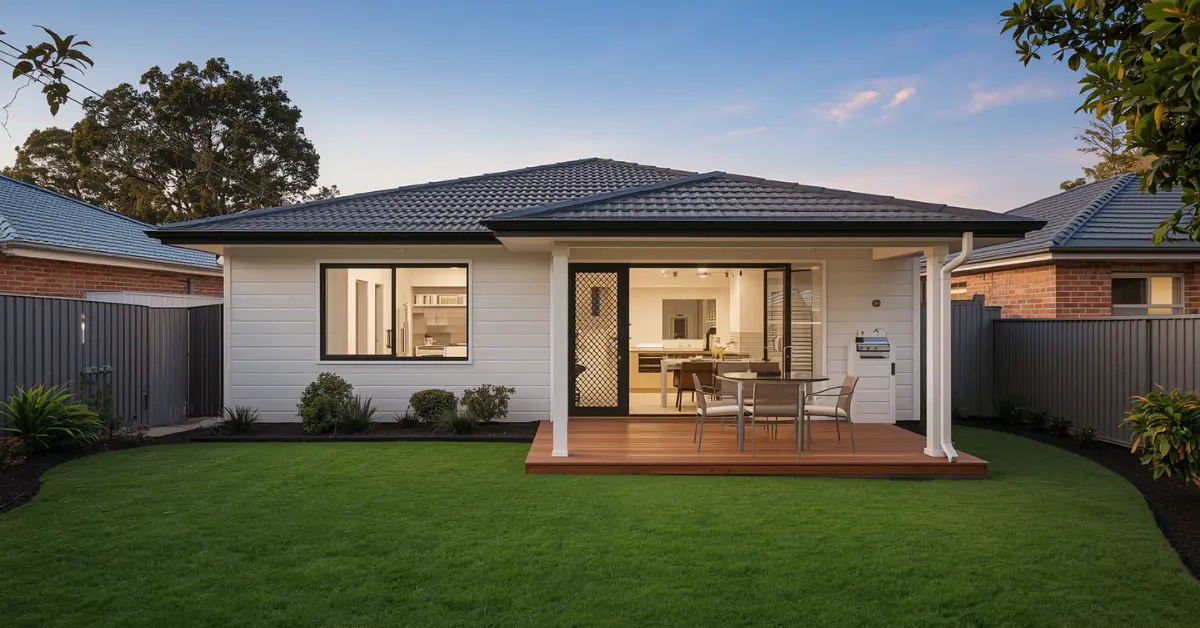
If you want to build a granny flat in NSW without full council approval, the CDC checklist shows what you need to comply with.
The NSW granny flat CDC checklist helps you see if your property qualifies. It also shows what rules you need to follow before you apply.
In this guide, you’ll learn how CDC approval works, what documents you need, and what could stop your project from getting approved.
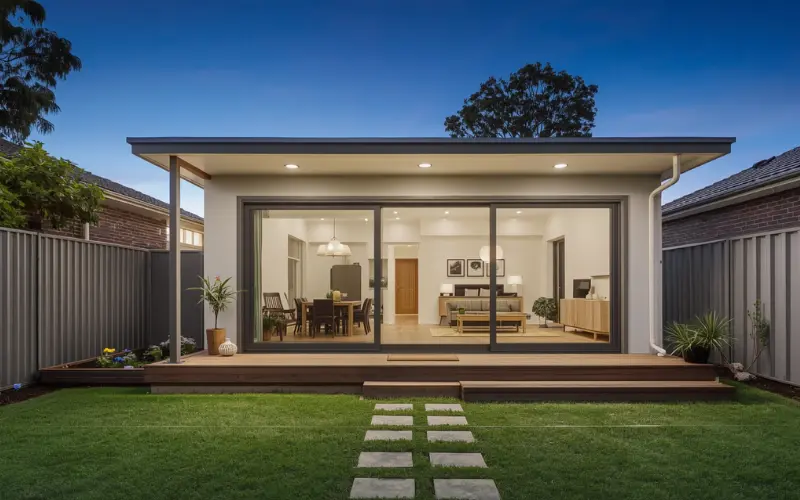
What is the NSW granny flat CDC checklist?
The NSW granny flat CDC checklist is a list of rules your property and granny flat must meet before you can apply for CDC approval.
Think of it as a quick way to check if your project qualifies for a faster approval process.
If your property meets the CDC rules, you can often avoid a full Development Application (DA). As a result, you may save both time and money.
Most CDC checklists include:
- Property zoning
- Lot size requirements
- Building setbacks
- Maximum floor area
- Height limits
- Bushfire restrictions
- Flood restrictions
- Utility connections
Therefore, it is smart to check these requirements before you spend money on plans or reports.
What is a CDC for a granny flat in NSW?
A CDC is a fast-track approval for projects that meet NSW planning rules.
Instead of waiting for the council to assess your application, a private certifier reviews your plans. If everything meets the rules, the certifier can approve the project.
Because the process is simpler, many homeowners choose CDC approval when building a granny flat.
Key benefits include:
- Faster approval
- Less paperwork
- Lower approval costs
- Clear building rules
- Faster start to construction
As a result, CDC approval has become one of the most common ways to approve granny flats in NSW.

Why do homeowners choose CDC instead of council approval?
Most homeowners choose CDC because it is faster.
A Development Application can take months. However, a CDC can often be approved within a few weeks if the project meets all requirements.
Homeowners also like the certainty. The rules are clear from the start. Therefore, you know what your project must achieve before you apply.
CDC approval can help you:
- Start building sooner
- Reduce approval costs
- Avoid long council delays
- Get rental income faster
- Simplify the approval process
For many projects, CDC is the easiest path to approval.
What is included in the NSW granny flat CDC checklist for 2026?
Before you apply, you should make sure your property meets the main CDC requirements.
The table below shows the most common requirements for granny flats in NSW.
Requirement | Typical Requirement |
|---|---|
Zoning | Residential zoning |
Minimum Lot Size | Usually 450sqm or more |
Floor Area | Up to 60sqm granny flat |
Height | Up to 4.5m |
Setbacks | Must meet NSW rules |
Bushfire Areas | Extra requirements may apply |
Flood Areas | Extra reports may be needed |
Utilities | Water, sewer and electricity are required |
However, every site is different. Therefore, a certifier should always review your property before you submit an application.
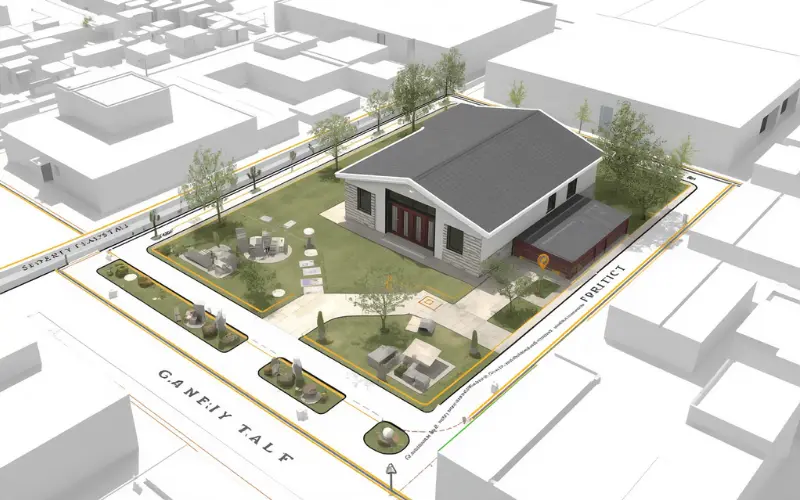
Does your property qualify for CDC approval?
Many properties qualify for CDC approval. However, some sites have restrictions that make the process more difficult.
In most cases, your property is more likely to qualify if it:
- Has residential zoning
- Meets lot size requirements
- Has access to utilities
- Is not heritage listed
- Meets setback rules
Even so, you should never assume your property qualifies. A quick site assessment can help you avoid expensive mistakes later.
What can stop a granny flat from getting CDC approval?
Some properties fail CDC checks because they do not meet planning requirements.
In other cases, homeowners submit plans without checking site restrictions first.
Common problems include:
- Incorrect setbacks
- Oversized floor plans
- Heritage restrictions
- Easements on the property
- Flood-prone land
- Bushfire-prone land
- Missing documents
For example, a property may meet lot size rules but still fail because of a flood overlay.
Therefore, it is important to review the site before finalising your plans.
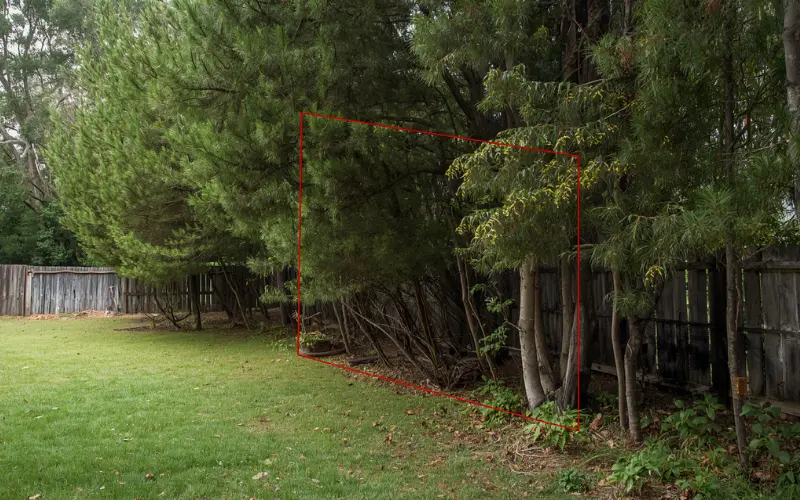
CDC vs DA: Which option is better?
The best option depends on your property and design.
If your project meets CDC rules, this pathway is usually faster and cheaper. However, a DA may allow more design flexibility.
The table below shows the main differences.
Feature | CDC | DA |
|---|---|---|
Approval Time | Faster | Slower |
Council Involvement | Low | High |
Cost | Lower | Higher |
Design Flexibility | Limited | Greater |
Approval Process | Simpler | More Detailed |
As a result, many homeowners choose CDC whenever possible.
How long does CDC approval take in NSW?
CDC approval is usually much faster than council approval.
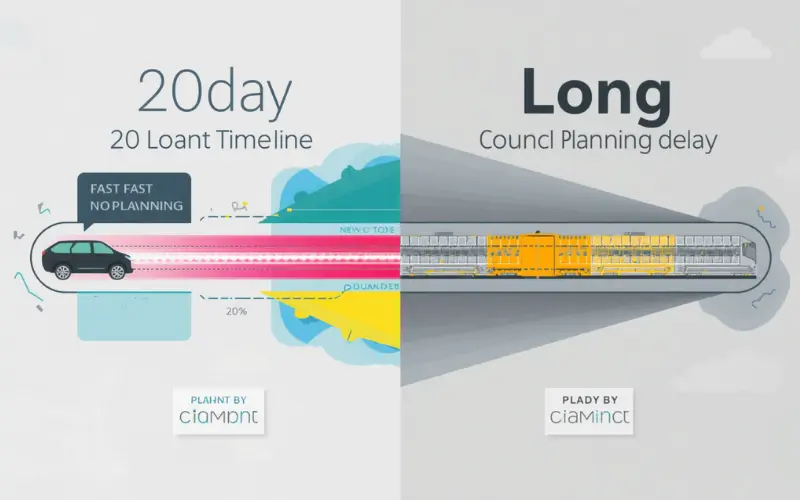
Most granny flat projects receive approval within 20 to 40 days. However, the timeframe can increase if extra reports are required.
For example, bushfire reports or flood assessments can add more time to the process.
To avoid delays:
- Submit complete documents
- Use an experienced certifier
- Check site restrictions early
- Confirm your plans meet CDC rules
As a result, you can often start construction sooner.
What documents do you need for a CDC application?
A complete application helps keep the process moving.
If documents are missing, the certifier may ask for more information. This can delay approval.
Most applications include:
- Site plan
- Floor plans
- Building elevations
- Engineering details
- Compliance documents
- Bushfire reports if needed
- Flood reports if needed
Therefore, it is best to prepare these documents before you lodge your application.

Can you build a granny flat without council approval in NSW?
Yes, in many cases you can.
However, you still need approval through the CDC process.
Many people think CDC means no approval at all. That is not correct.
Instead, a private certifier reviews your plans and checks that they meet NSW planning rules.
If the project complies, the certifier can issue approval without a full council assessment.
As a result, many homeowners save time while still meeting legal requirements.
FAQs About the NSW Granny Flat CDC Checklist
Conclusion
The NSW granny flat CDC checklist helps homeowners determine whether they can use a faster approval process rather than a full council application.
By checking zoning, lot size, setbacks, and site restrictions early, you can avoid delays and improve your chances of approval.
Most importantly, speak with a qualified certifier before you start. A simple site review can save time, reduce costs, and help your granny flat project move forward with confidence.
Smart Investor Tip: After securing your fast-track approval, do not let hidden foundation preparation or site infrastructure fees break your property budget. Read our ultimate [2026 Granny Flat Price Guide: State-by-State Breakdown] to accurately calculate building and construction costs across NSW before signing your builder contract!