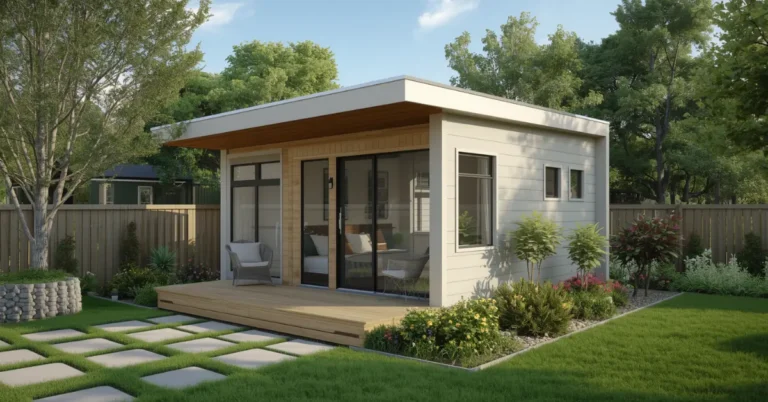
How to Finance a Granny Flat in 2026? Secrets to Save!
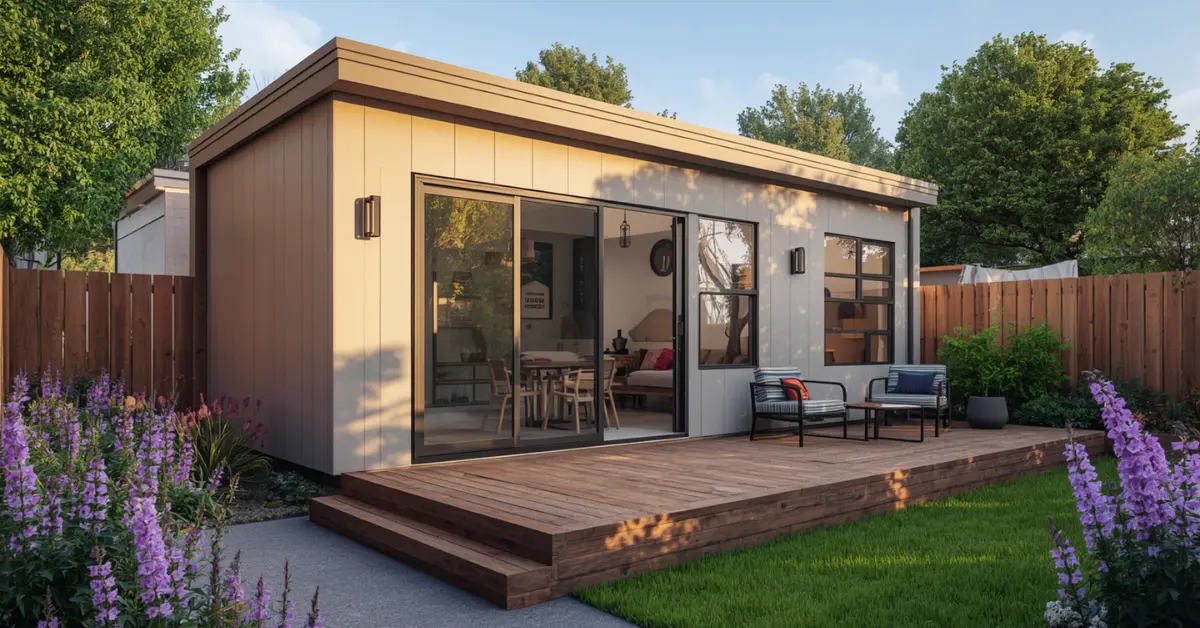
How to finance a granny flat in 2026? Avoid traps by using equity, construction loans, or personal funds to secure your backyard build. Choosing the correct lending path keeps your interest rates low. Also, it protects your personal savings.
Many Australian property owners use a standard personal loan for a backyard build. But this is a very costly mistake. Before you sign any builder contracts, look at your financing choices. You can also calculate your rates using our [Granny Flat Cost Per Square Metre 2026] guide. So, use this data-driven breakdown to learn how to finance a granny flat easily.

What Are the Best Ways to Finance a Granny Flat in Australia?
The best ways to finance a backyard house include using home equity, applying for a construction loan, or taking an investment loan.
For example, here is the current comparison of borrowing methods across major Australian banks for 2026:
Financing Option | Best Used For | Typical Interest Rate Range | Approval Difficulty |
|---|---|---|---|
1. Equity Release / Top-Up | Homeowners with existing home value. | Lower (Home loan rates) | Medium |
2. Construction Loan | Building via a licensed builder. | Moderate (Progressive draws) | High (Requires plans) |
3. Investment Loan | Landlords tracking high rental yields. | Moderate (Tax-deductible) | Medium-High |
4. Unsecured Personal Loan | Small DIY kit homes under $50,000. | Very High Interest Rates | Low & Fast |
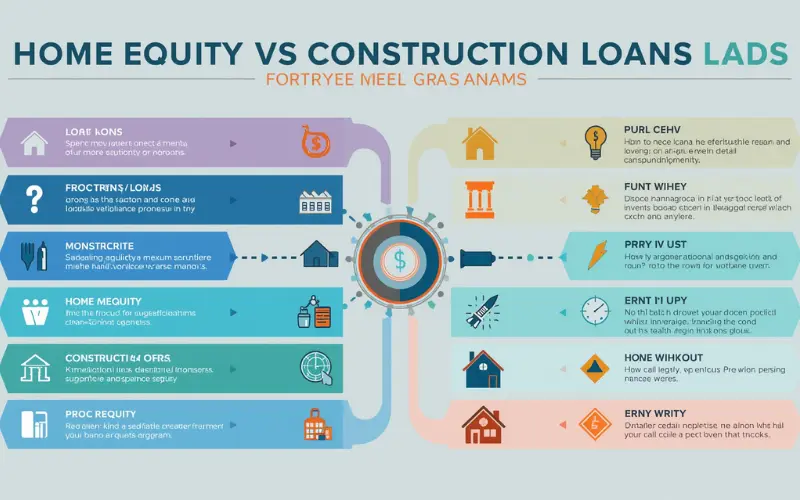
How Does a Granny Flat Construction Loan Work?
A construction loan releases funds in stages directly to your builder, rather than giving you a lump sum upfront.
This lending system protects your money.
5 simple steps through the bank pays the builder
- The Deposit Stage: First, the bank releases 5% to 10% of the total cash. This pays for early site preparation and council approvals.
- The Slab Stage: Next, the bank pays the second round of funds. This happens once workers pour the engineered concrete foundation.
- The Frame Stage: Then, the builder erects the timber frame and roof trusses. The bank pays after checking this frame structure.
- The Lock-Up Stage: Afterwards, workers install the outer walls, windows, and exterior doors. The bank releases cash once the flat seals completely.
- The Completion Stage: Finally, the bank releases the last payment. This happens after internal painting, plumbing work, and final visual checks pass.
Banks monitor these building stages closely to ensure the project stays on budget. To understand how compounding interest charges affect your long-term mortgage payments during a build, review the official government MoneySmart Home Loan Calculator tool before locking in a lender.

Can You Use Home Equity to Pay for Your Backyard Build?
Yes, you can use home equity to pay for your build if your remaining mortgage balance is lower than the property value.
Australian lenders use a strict formula to calculate your usable borrowing power:
Usable Equity Formula:
(Current Property Market Value * 80%) – Existing Home Loan Balance = Usable Equity
Real-World Example:
Imagine your main home is worth $800,000. Also, you still owe $450,000 to the bank. Your borrowing math looks like this:
($800,000 * 0.80) – $450,000 = $190,000 Usable Equity
(Fast Fact): Home equity lets you borrow cash at standard mortgage rates. Because these rates sit much lower than personal loan interest rates, this smart strategy saves you over $15,000 in interest charges during your build timeline.

What Hidden Financing Costs Must You Avoid During a Loan Application?
You must avoid high loan setup fees, lender mortgage insurance (LMI) traps, and high valuation charges during your application.
In fact, banks do not always disclose these extra setup costs upfront:
- Lender Mortgage Insurance (LMI): You must pay this penalty if you borrow more than 80% of your property value. As a result, LMI can cost $4,000 to $12,000.
- Bank Valuation Fees: Lenders hire a professional valuer to check your backyard plans. Typically, this check costs $300 to $800 per visit.
- Loan Settlement Fees: Banks charge a legal paperwork fee to open a new construction account. Expect to pay $200 to $600.

What Documents Do Banks Require for Granny Flat Loan Approval?
Banks require a signed fixed-price contract, council-approved building plans, and proof of your regular income to approve your loan.
Before you submit your application to an Australian lender, check off these mandatory items: