🏡 NSW Granny Flat Hidden Costs 2026
The Site & Utility Fees Homeowners Miss 💰⚠️
Thinking of building a granny flat in NSW? Before you start, there’s something most homeowners don’t realise — the real cost is often higher than the builder’s quote.
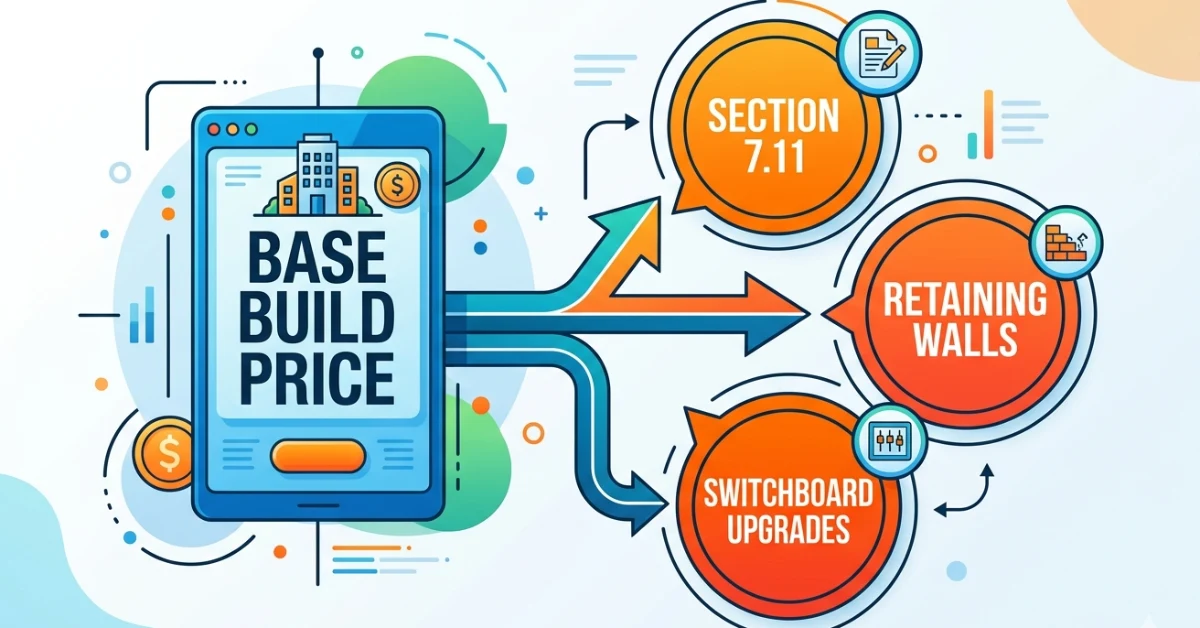
Many people only see the base price, but extra expenses like site works, utility upgrades, and council fees can quickly add up.
This guide explains the NSW granny flat hidden costs 2026 in simple terms, so you know exactly what to expect before you build. Before exploring the unexpected extras, make sure you look over the basic layout pricing in our comprehensive [NSW Granny Flat Cost 2026: What You’ll Really Pay].
❓ What are the hidden costs in a NSW granny flat build? 💡🏗️
Hidden costs are extra expenses left out of your main building quote. You usually find out about them during planning or when an expert inspects your site.
These costs are common because every property in NSW is different. Even two houses on the same street can have different costs.
Common hidden costs include:
- Site preparation work before building starts
- Utility connections like water and electricity
- Council or approval fees
- Small design changes during construction
- Extra engineering reports if needed
👉 For example, a builder may quote a base price, but site work is often separate.
🏗️ What site preparation costs do homeowners often miss? 🌍⚒️
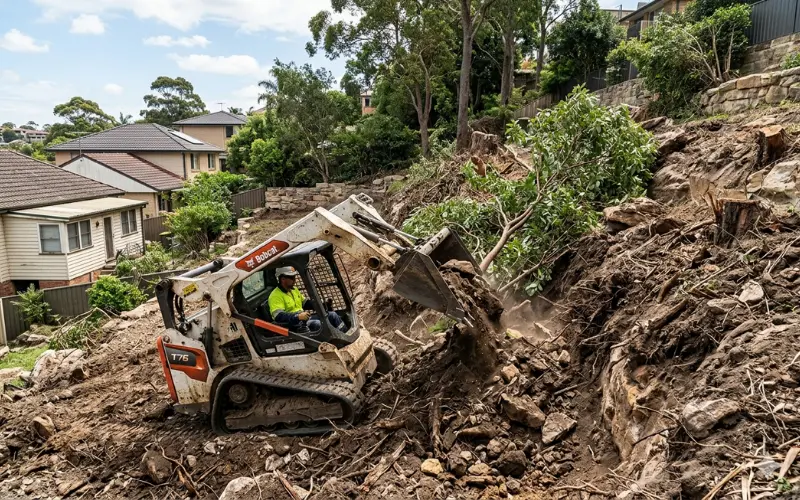
Site preparation means making your land ready for construction.
This step is often more expensive than people expect. If your land isn’t flat or clear, you must prepare the site before building starts.
Site work may include:
- Flattening uneven ground for a stable base
- Digging and clearing soil for foundations
- Removing trees, rocks, or old sheds
- Building retaining walls to hold soil on slopes
👉 For example, a sloped block may need retaining walls before any construction begins.
📊 Simple land cost guide:
Land Type | What Happens |
|---|---|
Flat land | Ready to build |
Slight slope | Minor work needed |
Steep land | Retaining walls needed |
👉 The harder the land, the more time and money it needs.
💧 What utility connection costs can increase your budget? ⚡🏡
Your costs will rise if your new flat needs separate or upgraded services. Homeowners miss these because builders rarely include them in standard base prices.
⚠️ The Sydney Water Sewer Main Rule
Does your granny flat sit close to a sewer line? You must get Sydney Water Tap in™ approval first. If your building sits over a pipe, you may need concrete encasement or deep concrete piers to protect it. This can add thousands to your plumbing bill. You can check your property pipes and log a layout diagram directly via the official Sydney Water Tap in portal before signing a builder contract.
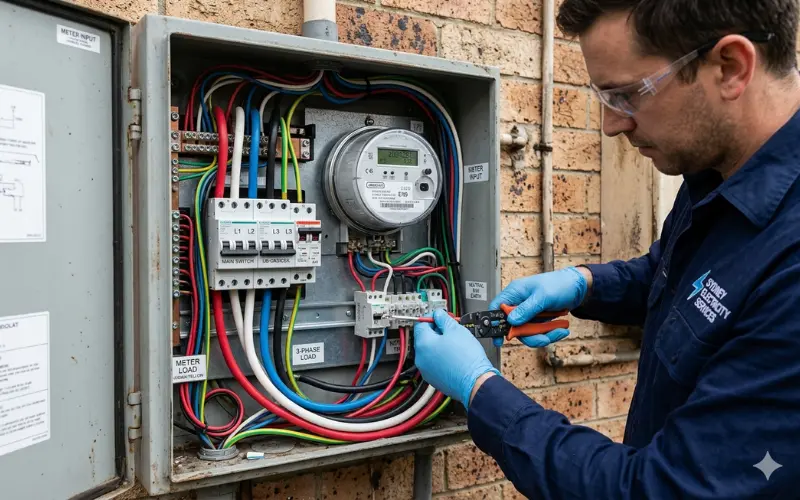
Common utility upgrades you might need:
- Water Upgrades: Adding sub-meters and running a new separate pipeline.
- Sewer Connections: Creating new junction ties and digging drainage trenches.
- Power Upgrades: Upgrading the main house switchboard to 3-phase wiring to accommodate additional load.
- Stormwater Setups: Installing dedicated backyard stormwater pits or absorption trenches.
- Internet Lines: Installing a new independent NBN lead-in connection.
👉 Quick Tip: Older properties in Sydney often need a full electrical board replacement before a builder can safely wire the new building.
⚠️ Why costs increase:
- Services may be far from the building site
- Old systems may not support an extra load
- New connections require council approval
🏛️ Do council approvals add hidden costs in NSW? 📄⚖️
Yes. Council approvals always bring extra costs. Even simple projects need structural checks, engineering approvals, and official certificates.
🛑 The $15,000+ Section 7.11 Trap
Many NSW local councils charge “Developer Contributions” (Section 7.11 or 7.12 fees). This money helps fund local public infrastructure. Depending on your local council (LGA) and build cost, areas like Blacktown or Hornsby can charge anywhere from $4,000 to over $20,000 before you can build.
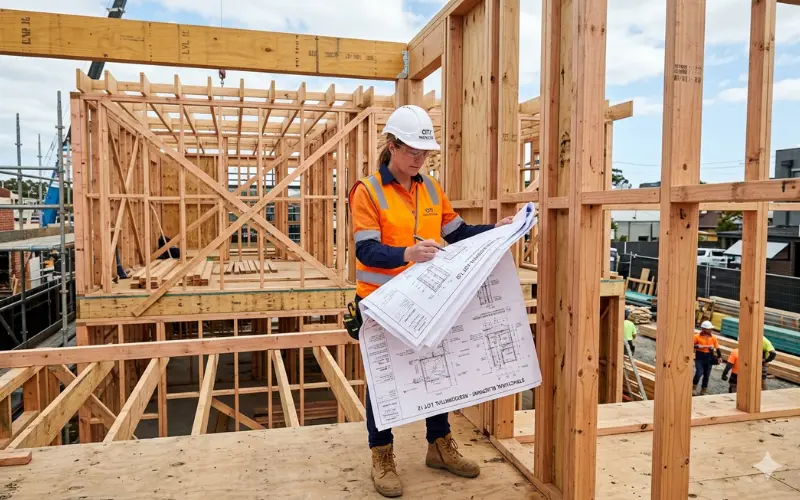
Common approval and admin fees to check:
- CDC or DA Fees: Basic application costs from the council or certifier.
- Private Certifier Charges: Fees for mandatory building stage inspections.
- Section 7.11 / 7.12 Levies: Local council infrastructure development fees.
- NSW Long Service Levy: A mandatory state tax (0.35% of the total build price).
- Specialist Reports: Soil testing, engineering blueprints, or stormwater design plans.
👉 Quick Tip: Going through a private certifier (CDC) is faster than a full council DA. However, it does not save you from paying local council infrastructure fees. To make sure your site meets the criteria to skip council planning paperwork altogether, check our comprehensive [NSW Granny Flat CDC Checklist 2026: How to Bypass Council Approval].
💡 Important point:
Even if approval is easy, you still need to pay for certification and inspections.
🌍 How do land conditions affect granny flat costs? 🏞️⚠️
Land conditions can change your total cost more than the design itself.
This is one of the biggest hidden cost factors. Two identical granny flats can have very different prices based only on the land.
Things that increase cost:
- Sloping blocks needing retaining walls
- Weak soil needing stronger foundations
- Tight access for trucks and machines
- Trees or structures that must be removed
📊 Cost impact example:
Factor | Real-life impact |
|---|---|
Flat land | Easy and fast build |
Sloped land | Extra engineering needed |
Poor soil | Stronger foundation required |
👉 Even before building starts, land can change your total budget.
🧱 What extra costs can appear during construction? 🏗️💸
Extra costs often appear when changes happen during the build process. We call these variation costs, and they are very common. Even small changes can increase your final bill.
Common examples:
- Upgrading flooring or kitchen materials
- Changing layout after approval
- Fixing compliance issues during inspection
- Builder charges for design changes
👉 For example, changing tiles after construction starts is more expensive than before approval.
⚠️ Simple rule:
The later you make changes, the more you pay.
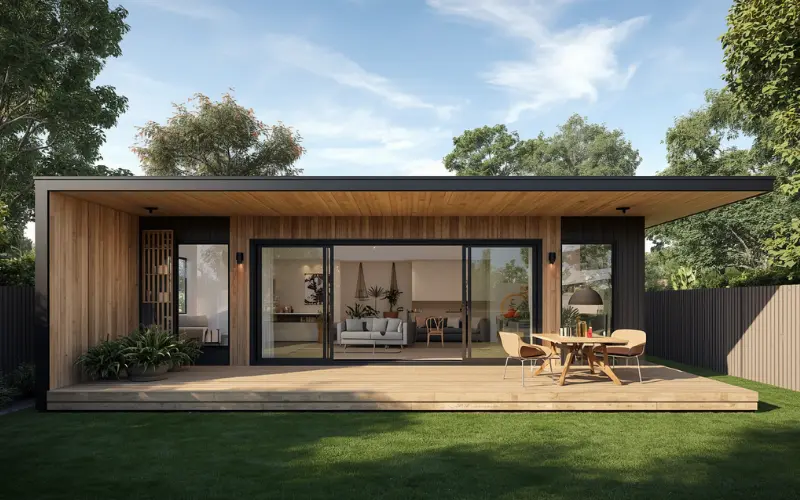
📋 NSW Granny Flat Hidden Costs Checklist ✅
Here is a simple checklist every homeowner should review before building.
🏡 Site costs:
- Land excavation and digging
- Levelling uneven ground
- Tree or rock removal
💧 Utility costs:
- Water connection upgrades
- Sewer connection setup
- Electrical upgrades
🏛️ Approval costs:
- CDC or DA fees
- Certifier inspection charges
- Planning or engineering reports
⚠️ Other costs:
- Soil testing before design
- Design changes during build
- Access improvements for machinery
👉 This checklist helps you avoid surprise costs later.
💰 Is a granny flat still worth it after hidden costs? 🏡📈
Yes, a granny flat in NSW is still a good investment, even after accounting for hidden costs.
The key is knowing your total cost before you start. A well-planned granny flat can still give strong returns over time.
Main benefits:
- Weekly rental income
- Higher property value
- Extra living space for the family
👉 Most homeowners recover costs over time through rent and value increase.