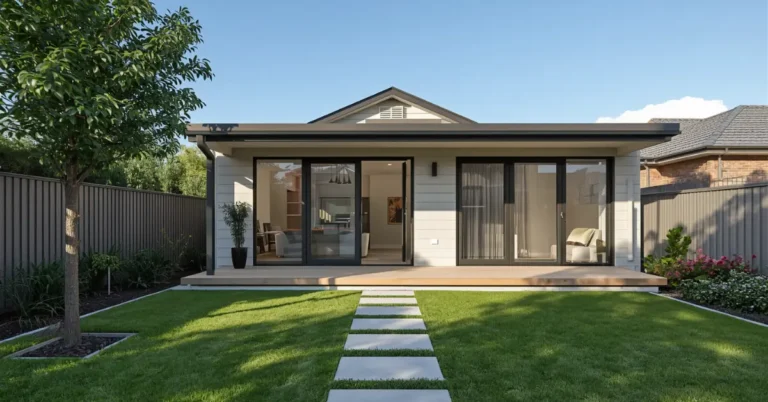
Granny Flat vs House Extension: Which Is Better for Your Property?
When homeowners compare a granny flat vs house extension, they usually want one thing: more usable space. The better option depends on how you want to live, how your block works, and what you may need in the future.
A granny flat gives you a separate living space. A house extension makes your main home bigger. That simple difference shapes everything else. Discover which option gives your property better resale value, faster approvals, and lower costs!
Feature | Granny Flat |
|---|---|
Structure | Separate dwelling |
Best for | Privacy and flexible use |
Layout | Separate space |
Future use | More adaptable |
Property fit | Better on larger blocks |
What Is the Difference Between a Granny Flat and a House Extension?
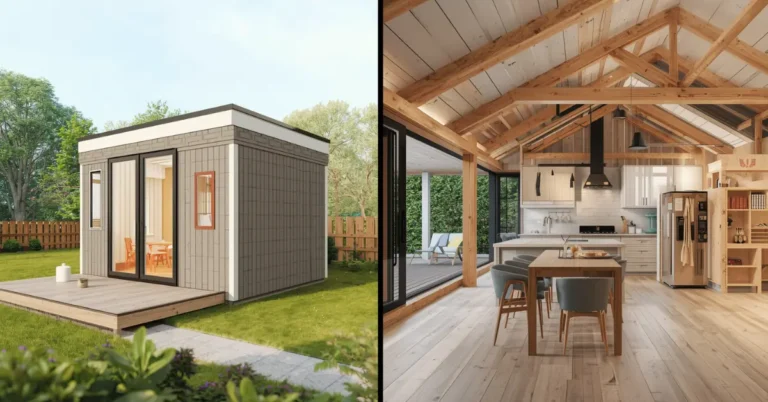
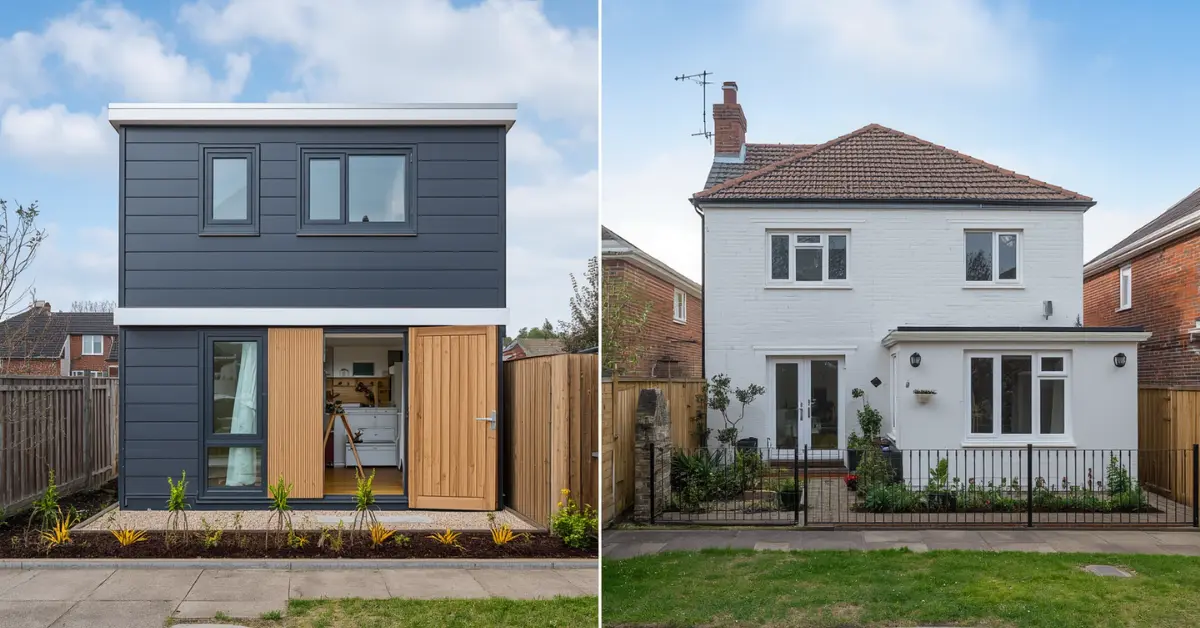
A granny flat is a separate secondary dwelling. A house extension adds new space to your existing home.
This is the key point in the granny flat vs house extension choice. A granny flat stands apart from the main home. It may sit in the backyard or beside the house, depending on the site and design. A house extension becomes part of the current house, such as a new bedroom, larger kitchen, or added living area.
That means the two options solve different problems.
A granny flat is often used for:
- ageing parents
- adult children
- guest stays
- private workspace
- flexible future use
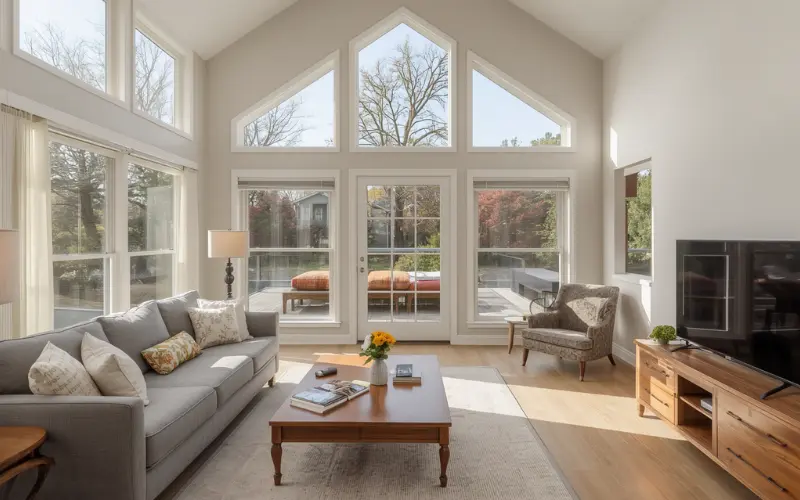
A house extension is often used for:
- growing families
- larger kitchens
- extra bedrooms
- open-plan living
- better daily comfort
How Do a Granny Flat and House Extension Compare in Everyday Use?
A granny flat works better for separate living. A house extension works better for connected living inside the same home.
This everyday difference matters more than many people think. In the granny flat vs house extension decision, you are not just choosing a building type. You are choosing how people will use the space each day.
A granny flat gives more separation. That can help when family members want privacy but still want to stay close. A house extension keeps everyone under one roof. That often makes daily life easier for families who want shared access to bedrooms, bathrooms, and living zones.
Think of it this way:
- A granny flat adds independence
- A house extension adds convenience
- A granny flat creates distance
- A house extension improves flow
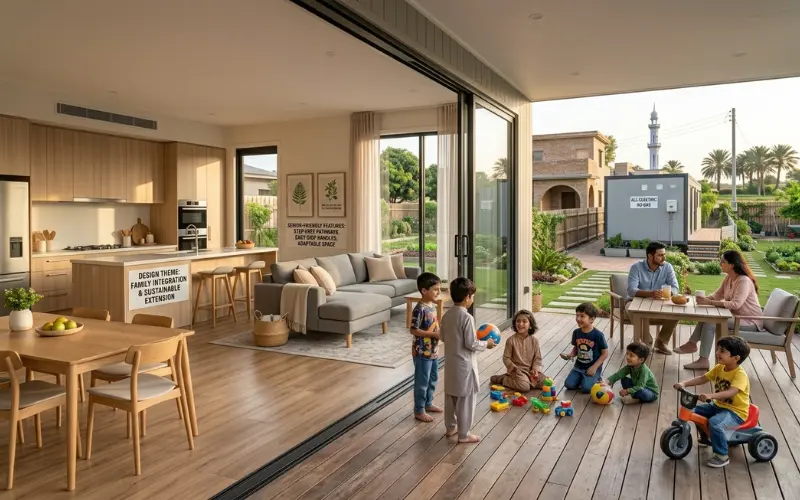
Which Option Gives You More Flexibility?
A granny flat usually gives you more flexibility. A house extension usually serves one main purpose inside the home.
This is one of the strongest points in the granny flat vs house extension debate. A granny flat can change your life. You may use it for parents now, then guests later, and then a home office or private retreat after that.
An extension can still be useful, but it often stays linked to one use. If you build an extra bedroom or a larger family room, it will mostly stay that way.
A granny flat often suits owners who want:
- changing use over time
- more than one purpose from one build
- private space for family or guests
- more freedom in how the property works
If you want detailed guides on rental use, costs, or design choices, those topics are best covered in separate articles.
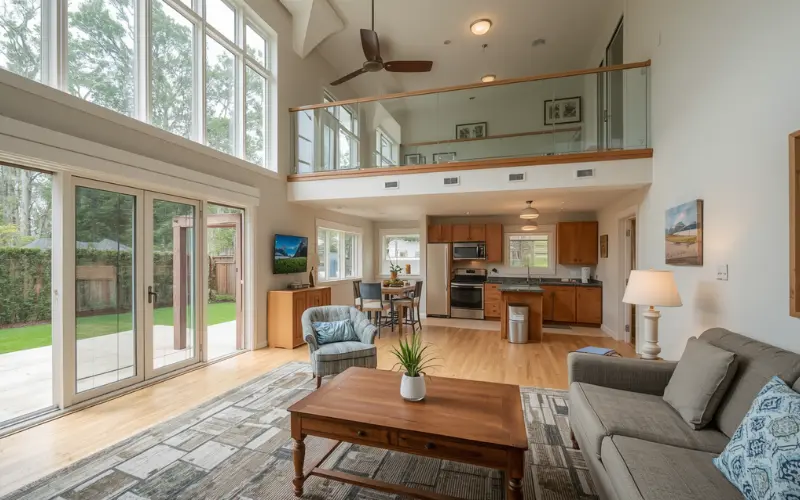
Which Option Is Better for Family Living?
A house extension is usually better for shared family living. A granny flat is often better for multi-generational living with more privacy.
For many Australian households, this is where the granny flat vs house extension becomes easier to answer. If you have young children or need more room for one household, an extension often makes more sense. It keeps daily life simple and connected.
A granny flat can work better when the goal is to live close without living on top of each other.
That can suit:
- elderly parents
- adult children
- long-term guests
- carers or support family
So the best choice depends on the type of family living you want. Shared living usually leans toward an extension. Separate but close living usually leans toward a granny flat.
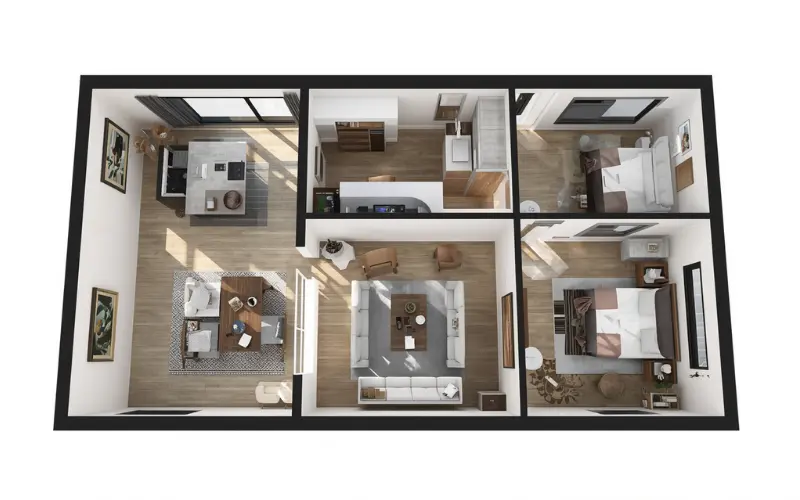
Which Option Is Better for Future Use?
A granny flat often gives more long-term options. A house extension usually supports your current lifestyle more directly.
This is an important part of the granny flat vs house extension decision. Many homeowners focus only on today. But a smart project should also work for tomorrow.
A granny flat may be easier to adapt as your needs change. It can shift from family use to guest space, private work space, or another support use later on. A house extension adds comfort and function to the main home, but it usually stays tied to your current layout.
Ask yourself:
- Will your household change in the next few years?
- Do you need flexible space for future family needs?
- Do you want one bigger home or more than one living zone?
Those answers often point you in the right direction.
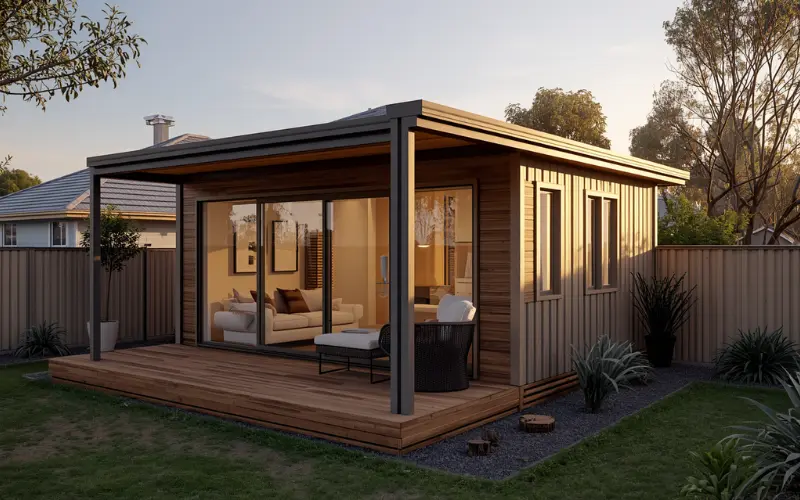
Which Properties Suit a Granny Flat Better?
A granny flat usually suits properties with more land, better access, and room for a separate dwelling.
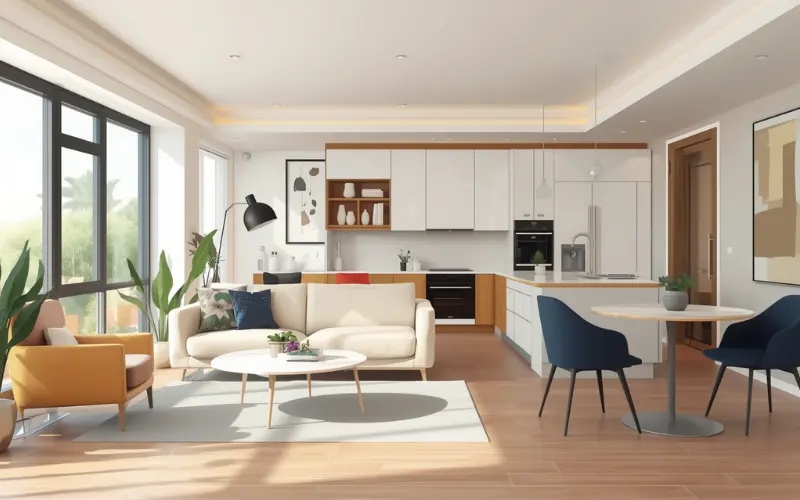
Not every block suits a granny flat. In the granny flat vs house extension comparison, site layout matters a lot. A larger block often makes it easier to place a granny flat practically and privately.
A granny flat may suit your property better if you have:
- a wider or deeper block
- enough backyard space
- room for separate access
- space to keep privacy between dwellings
This does not mean smaller sites can never work. But tight blocks often make separate living harder to design well. For comprehensive details, visit our guide on [Pros and Cons of Building Granny Flats in Australia: What You Need to Know]
Which Properties Suit a House Extension Better?
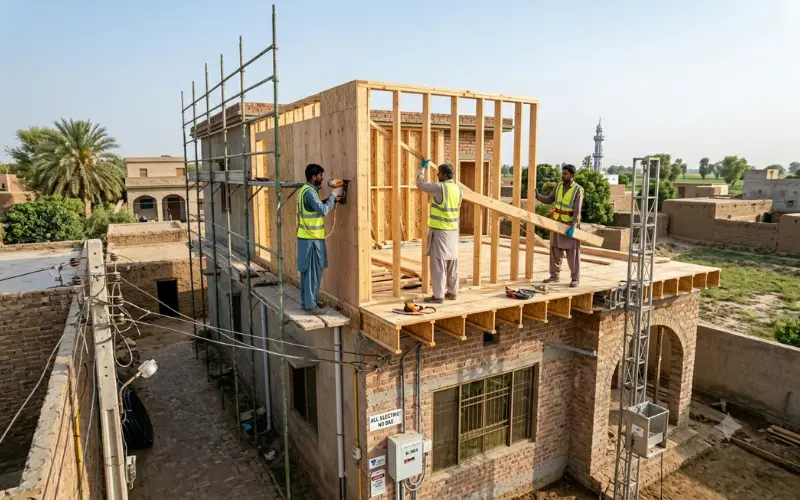
A house extension usually suits properties where the main goal is to improve the existing home without adding a second dwelling.
Extensions often work well on blocks where backyard space is limited or where the main home already has a strong layout to build from. If your priority is better day-to-day living inside one household, an extension may be the cleaner option.
A house extension may suit your property better if you have:
- a smaller block
- limited outdoor area
- one main household
- a home that needs more room, not a second living space
What Should You Compare Before Choosing Between a Granny Flat and a House Extension?
You should compare your goals, block, budget, and plans before you decide.
This step keeps the granny flat vs house extension decision clear. Focus on the big picture first.
Compare these points:
- Living needs: Do you want a separate or shared space?
- Block layout: Do you have room for a second dwelling?
- Budget: Both options vary by size and scope.
- Approvals: Rules vary by site and state.
- Plans: Will your space needs change later?
If you want full details on cost, approvals, rental potential, or design, it is better to read those dedicated guides rather than load this page with too much detail.
For the cost guide, visit [Granny Flat Price Guide 2026: How Much Will You Really Pay?].
For Approval Process [Granny Flat New Rules 2026: Complete Guide to Building and Renting]
For rental income, visit [Granny Flat Guide Rental Series ]
Granny Flat vs House Extension: Which One Should You Choose?
Choose a granny flat if you want a separate living space, more privacy, and flexible future use. Choose a house extension if you want a bigger, more connected main home.
In the end, granny flat vs house extension is not about which option is always better. It is about which option fits your property and lifestyle better.
Choose a granny flat if:
- Want a separate living area
- Or you need more privacy
- And want flexible long-term use
Choose a house extension if:
- If you want a larger family home
- You need more shared space
- Or you do not need a separate dwelling
The best project is the one that matches your block, your household, and your long-term plans. You can cross-verify your local state boundary requirements via national zoning resources like Planning Alerts Australia to track historical overlay consents in your street.