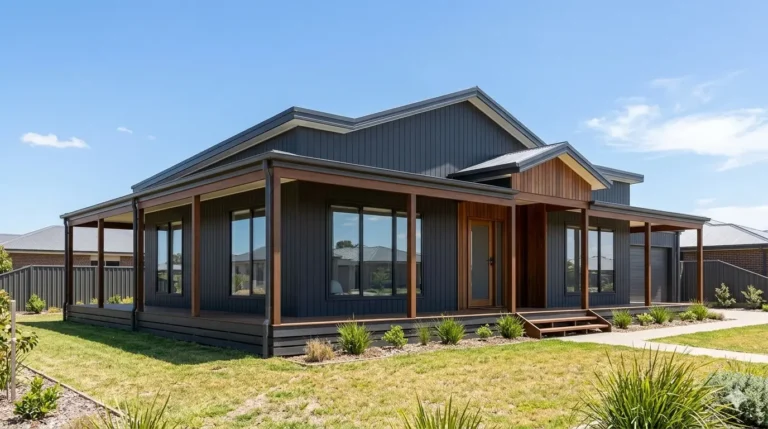
Victoria Granny Flat Hidden Costs 2026
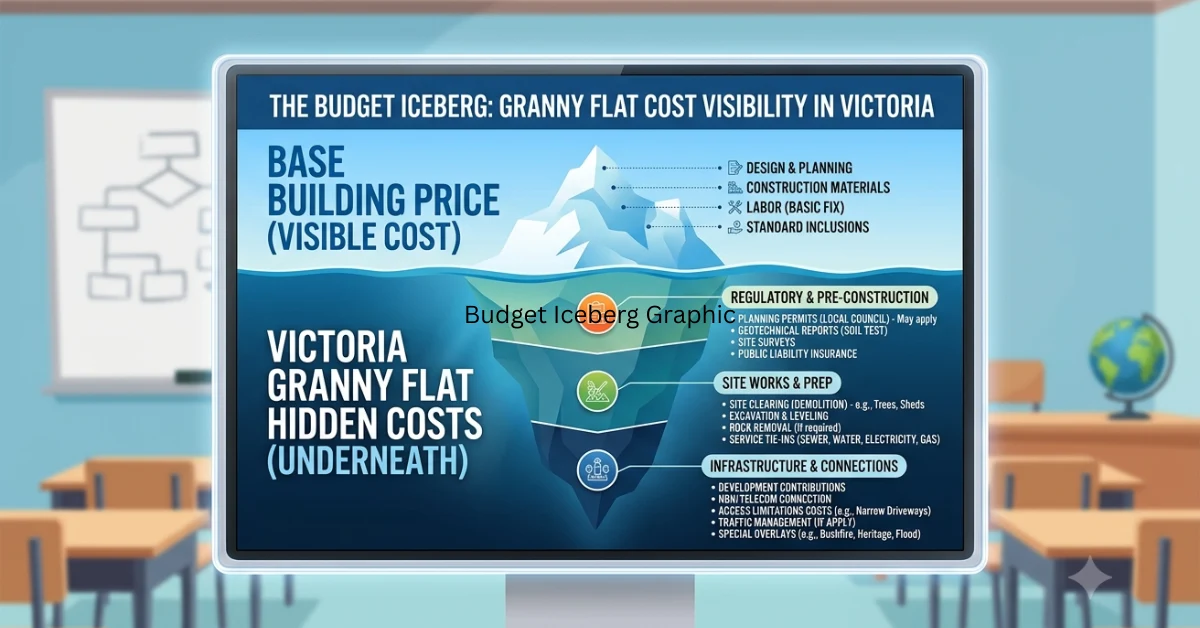
What hidden costs will you face, and why should you care about them?
Hidden costs can make your granny flat budget go up fast.
When you get a quote for a Victoria granny flat, that number usually only covers the building itself. But before you move in, there are extra things you need to pay for: site work, connections, landscaping, and reports. These “Victoria Granny Flat Hidden Costs” can catch you off guard if you do not plan for them.
Before diving into the unexpected extras, make sure you understand the baseline manufacturing prices in our [Victoria Granny Flat Cost Guide 2026: How Much Will You Pay?].
Think of it like buying a car—you see the sticker price, but then insurance, registration, and extras push the total higher. Planning for Hidden Costs helps you stay on budget and avoid last-minute stress. Uncover the true Victoria granny flat hidden costs for 2026. See exact utility connection fees & skip expensive builder mistakes!
Always budget for extras beyond the builder’s base price.
Site Preparation – Why does your land affect costs?
Your block of land can add thousands to your project.
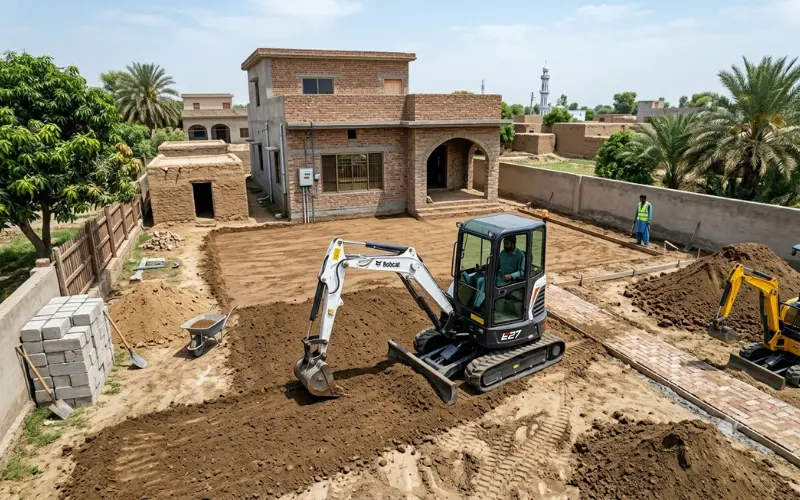
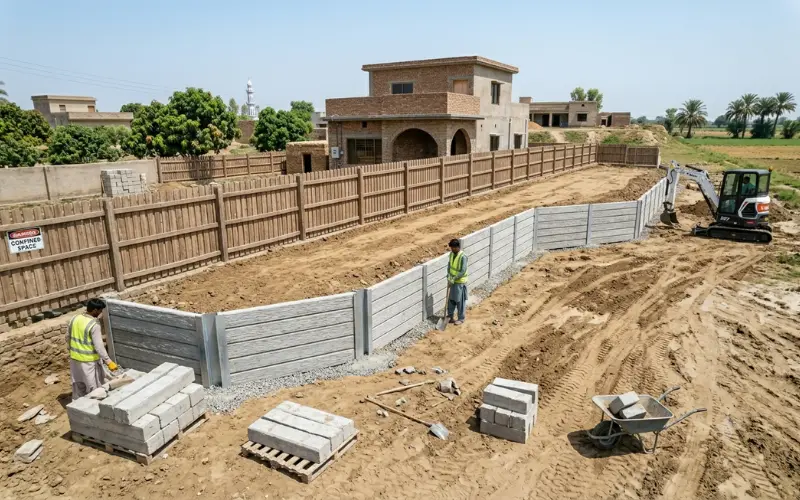
A flat, clear block is easy to build on. But if your backyard has slopes, trees, or old structures, you may need extra work before construction even starts. For example, you might need to remove a tree, level the land, or build a retaining wall.
Small issues like these can quickly increase costs.
Common site prep costs include:
- Tree removal and stump grinding
- Levelling sloped areas
- Removing old sheds or structures
- Creating access paths for machinery
Site Issue | Possible Extra Cost |
|---|---|
Minor clearing | $1,000–$3,000 |
Retaining walls | $5,000–$10,000 |
Sloped land adjustments | $10,000–$20,000 |
The easier your block is to work on, the lower your site preparation costs will be.
Service Connections – How much do utilities cost?
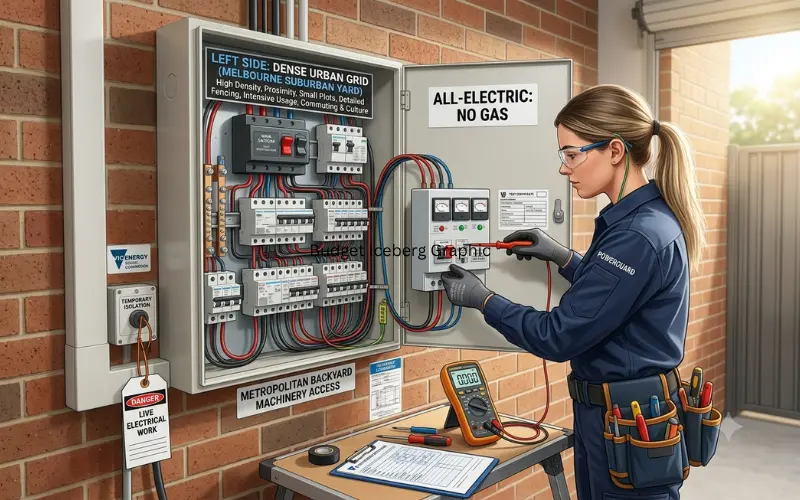
Connecting water and electricity (and upgrading for all-electric infrastructure) can cost $3,000–$10,000 or more.
Granny flats in Victoria must be all-electric—you can’t use reticulated gas under the Small Second Dwelling rules. This means some homes may need solar-ready wiring or upgraded electrical boards, which can add to costs. Even if your block already has mains, tricky access, long cable runs, or an old power meter can increase the bill.
You can verify these environmental standards and all-electric compliance frameworks on the official Sustainability Victoria portal before purchasing appliances.
Typical utility costs include:
- Water connection: $1,500–$3,000
- Electricity and solar-ready upgrade: $1,500–$7,000
- Sewer connection or septic setup: $1,000–$3,000
Utility | Possible Cost |
|---|---|
Water connection | $1,500–$3,000 |
Electricity + all-electric upgrade | $1,500–$7,000 |
Sewer connection | $1,000–$3,000 |
Utility connections, especially electrical upgrades for all-electric granny flats, can easily add thousands. Always include this in your budget to avoid surprises.
Landscaping & Outdoor Areas – How can these costs add up?
Driveways, fencing, and garden work can cost $3,000–$10,000.
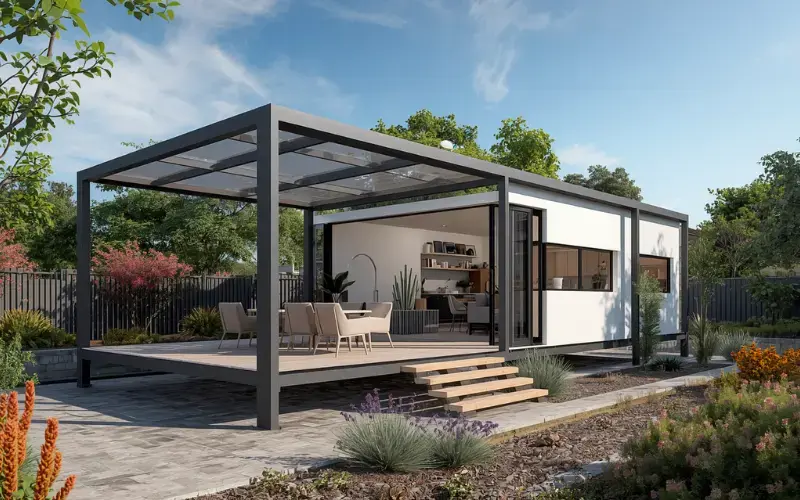
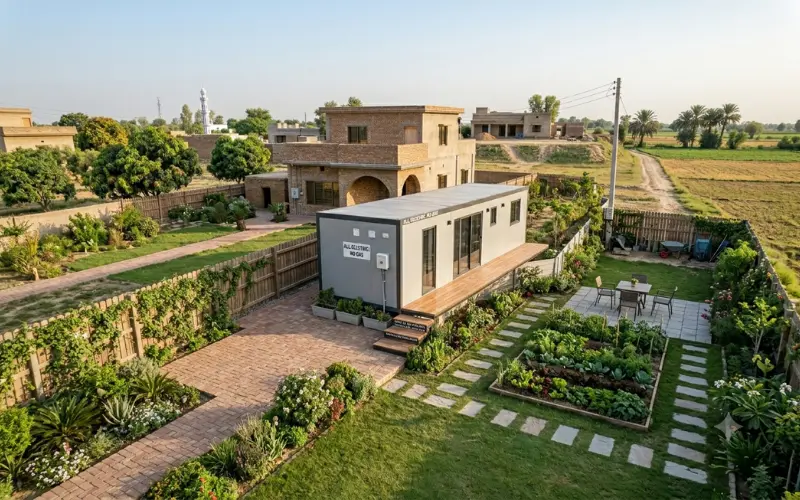
A granny flat is more than just a building. You’ll likely want a path, driveway, fence, or garden. Even simple landscaping, like gravel or paving, can increase your budget. Regional blocks are often larger, which can further increase landscaping costs.
Common landscaping costs:
- Driveways or paths
- Fencing and gates
- Patios, decks, or pergolas
- Soil, turf, and basic planting
Outdoor and landscaping work is essential and should be included in your total budget.
Additional Reports – What approvals can cost extra?
Some blocks need extra reports, adding $1,500–$7,000 to your costs.
Depending on the location and council rules, you may need reports like soil tests, bushfire assessments, or flood reports. Even if your granny flat is small, these checks can be required for approval.
Extra report examples:
- Soil testing: $500–$1,500
- Bushfire risk assessment: $800–$2,000
- Flood/drainage report: $1,000–$3,500
Check your council rules early—reports can be a hidden but unavoidable expense. To see how these mandatory checks change if you qualify for a planning permit exemption, read our guide on [Victoria Granny Flat Rules & How They Affect Costs 2026].
Cost-Saving Tips – How to Reduce Hidden Costs
Smart planning can save you thousands.
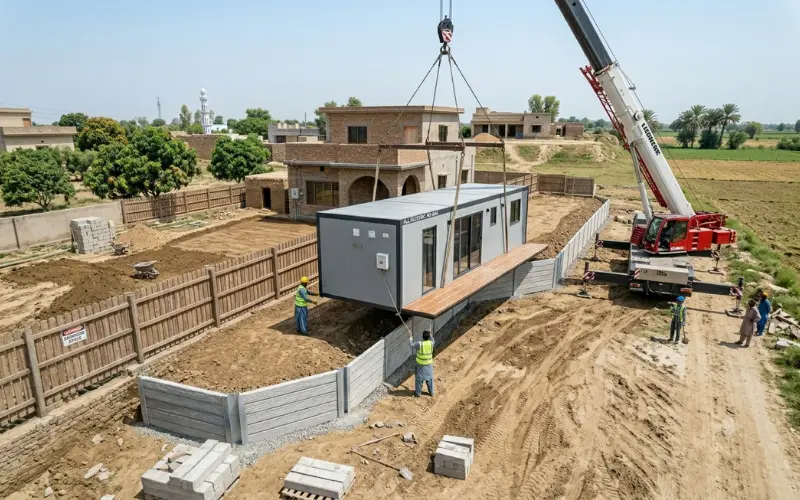
Many homeowners lower costs by bundling tasks or using prefabricated elements. Prefab flats reduce on-site labour and site disruption. Combining site prep, landscaping, and utility connections with one contractor can also cut expenses.
Tips to save:
- Choose a prefab or modular granny flat
- Combine site prep and landscaping work
- Hire a local builder familiar with your council rules
- Plan service connections early
- Pick a flat or clear block when possible
You can cut hidden costs by bundling works, choosing prefab options, and planning early.
FAQs about Victoria Granny Flat Hidden Costs
Conclusion
Victoria Granny Flat Hidden Costs in 2026 can easily add $10,000–$30,000 to your project. Early planning, site inspection, and smart bundling are key to keeping your budget under control.